The Crisp and Smoky Flammkuchen Traditional Alsatian Flatbread
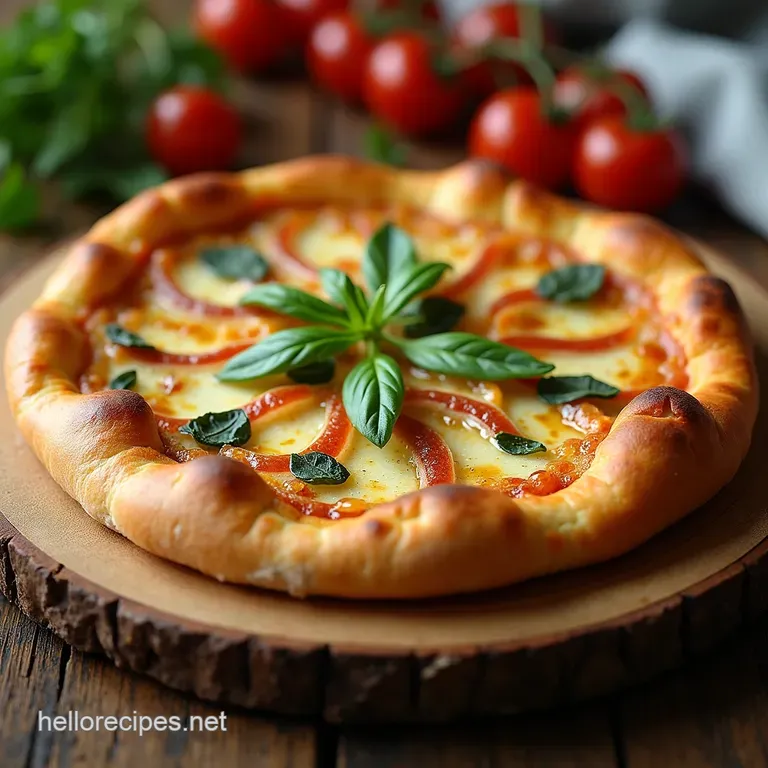
- Unveiling the Rustic Charm: What Makes Flammkuchen Irresistible?
- A Culinary Journey to Alsace: Understanding Tarte Flambée Heritage
- Gathering the Essential Components for Perfect Flammkuchen
- The Step-by-Step Transformation to Flammkuchen Glory
- Elevating Your Next Batch: Creative Flavor Twists on Traditional Flammkuchen
- Troubleshooting and Serving Suggestions for the Perfect Experience
- Recipe FAQs
- 📝 Recipe Card
Unveiling the Rustic Charm: What Makes Flammkuchen Irresistible?
There’s a certain magic that happens when simplicity meets high heat, and nowhere is this more evident than in the creation of Flammkuchen . Often overshadowed by its heavier Italian cousin, this specialty flatbread from the Alsace region bordering France and Germany is the definition of cozy food recipes perfected.
It’s not merely a thin crust flatbread; it is a delicate marriage of textures: an impossibly crisp, almost shatteringly thin base topped with a cool, creamy layer punctuated by smoky bursts of bacon and sweet, softened onions.
Preparing this dish offers tremendous cooking and baking inspiration because its success relies entirely on technique rather than an overwhelming list of ingredients. If you’ve ever wondered how to achieve that authentic, beautifully blistered crust, you’ve come to the right place to master this classic.
A Culinary Journey to Alsace: Understanding Tarte Flambée Heritage
The name Flammkuchen translates literally to "flame cake," historically referring to the practice of bakers testing the heat of their wood fired ovens by sliding a thin piece of dough inside if it immediately began to "flame" (blister), the oven was ready for bread.
When topped, this became the rustic snack known as Tarte flambée recipe . While very similar to a Flammkuchen pizza , the key difference lies in the dough’s lack of yeast and the specific topping base.
This Alsatian flatbread recipe demands speed and high heat, resulting in a texture worlds apart from standard yeasted pizzas.
The Allure of the Ultra Thin Crust
The foundation of any great Flammkuchen is its base. Unlike traditional pizza doughs that rely on yeast for volume and chew, this base is engineered for crispness. We use a simple mixture of flour, water, oil, and salt, kneaded just enough to become supple.
When rolled out, it must approach translucency. This ultra thin crust ensures that every bite delivers that signature crackle, making it highly addictive.
Why This Recipe Outshines Standard Pizza Doughs
The distinction comes down to proofing time or the lack thereof. Standard pizza dough requires hours to rise, developing complex flavors and an airy structure. Our quick flatbread recipe bypasses this entirely. We aim for an unleavened, pliable sheet that crisps up like a cracker under intense heat.
This means you can whip up a batch of this delicious Flammkuchen recipe faster than many frozen options take to thaw, making it an exceptional quick flatbread recipe for weeknights.
Setting the Scene for Authentic Alsatian Supper
To truly enjoy this dish, think casual and communal. It’s traditionally served whole, sliced into pieces, and eaten immediately while piping hot. It’s the perfect centerpiece for gatherings, easily scaled up or down, and its simplicity allows the quality of the few ingredients to truly shine through.
Gathering the Essential Components for Perfect Flammkuchen

The beauty of an authentic Alsatian flatbread recipe lies in its restraint. You need very few components, which means sourcing good quality matters immensely. For the dough, we need basic pantry staples: All-Purpose Flour (about 250g), cold water (around 125ml), a touch of neutral oil, and salt.
The real magic, however, resides in the topping selection.
Mastering the Quick Dough Mixture
To achieve the ideal consistency, start by combining your 250g of flour and 1/2 teaspoon of salt. Add 2 tablespoons of oil and the cold water incrementally. The goal here isn't an airy, elastic dough; it's a smooth, non-sticky dough that holds its shape without being tough.
We mix only until everything comes together, followed by a brief, gentle kneading of about three to four minutes. Overworking this dough will develop gluten too much, leading to chewiness instead of the desired crispness.
Essential Tools for Achieving Cracker Crisp Edges
While you can bake this on a heavy baking sheet, achieving that authentic blistering requires thermal mass. The absolute best tool is a preheated pizza stone or baking steel. By placing the dough directly onto this searing hot surface (after sliding it off parchment paper), the bottom layer cooks instantly, preventing sogginess.
For the shaping, a sturdy rolling pin is crucial to get the dough consistently thin across the whole surface.
Sourcing the Right Quality Smoked Bacon (Lardons)
Traditionally, Flammkuchen uses lardons —small strips or cubes of fatty, smoked bacon. For the best flavor profile in this Flammkuchen in english adaptation, look for thick cut, good quality smoked bacon and dice it yourself into small pieces.
Before assembly, we briefly sauté these lardons to render out some of their fat and build a deeper, savory background flavor. This step is essential for maximizing the smoky essence that cuts through the cream.
The step-by-step Transformation to Flammkuchen Glory
Once the dough has enjoyed its short, 15-minute rest, it's time for the assembly process, which moves surprisingly fast. We aim to maximize oven heat to simulate the intense heat of a wood fired oven.
Kneading and Resting the Thin Dough Base
After your brief knead, remember the resting period. This short rest allows the gluten you just developed to relax, making the dough far easier to roll out paper thin without snapping back. Divide your rested dough into two portions, preparing for two substantial rounds or several appetizer sized ones.
The Art of Spreading the Creamy Layer Evenly
For the topping, we rely on 200g of full fat Crème Fraîche or Fromage Blanc (a fresh, soft cheese often used in German baking). This layer must be spread thinly, covering almost the entire surface right up to the very edge, leaving only a scant half inch border untop ped to form the crust.
Resist the temptation to pile this layer high; too much moisture equals a soggy base, which defeats the entire purpose of this thin crust flatbread.
Optimal Oven Temperature Settings for a Flambé Effect
This is the most critical instruction: Preheat your oven to its absolute maximum safe temperature ideally 500° F ( 260° C) or higher with your pizza stone or steel inside for at least 45 minutes.
High, immediate heat is what creates the "flambé" effect, causing the crust edges to puff slightly and blister beautifully in under 12 minutes.
Strategic Layering of Onions and Bacon Before Baking
Once the cream base is spread, scatter the two main flavor components: the very thinly sliced yellow onions (about two medium ones total) and the pre-rendered bacon lardons. Don't forget a light dusting of freshly ground black pepper and, if you like, a whisper of nutmeg for warmth.
Place the toppings evenly but don't overload the surface. The raw onions will cook quickly on the high heat, softening just enough to integrate with the cream.
Elevating Your Next Batch: Creative Flavor Twists on Traditional Flammkuchen
While the traditional combination of cream, onion, and bacon is perfection, exploring variations offers wonderful cooking and baking inspiration. This versatility is what keeps the Flammkuchen relevant centuries later.
Beyond Bacon: Exploring Sweet and Savory Variations
For a savory twist, consider replacing the bacon with thinly sliced, salty prosciutto added after the bake, or perhaps adding marinated, sautéed wild mushrooms.
For a truly decadent change, try a version topped with thinly sliced pears and Gorgonzola cheese instead of the onions and bacon; finish with a drizzle of honey once it exits the oven. This opens up fascinating possibilities beyond the standard expectations of a pizza like dish.
Troubleshooting and Serving Suggestions for the Perfect Experience
Even with a straightforward recipe like this Flammkuchen recipe , small hiccups can occur. Knowing how to adjust your technique is key to repeatable success.
Proper Storage and Reviving Leftover Crispness
Frankly, Flammkuchen is best eaten immediately. The steam trapped between the toppings and the base will inevitably soften the cracker crisp crust over time. If you have leftovers, avoid the microwave entirely.
The best way to revive crispness is a quick blast (2- 3 minutes) on the lowest rack of a very hot oven ( 450° F/ 230° C) or directly on a dry, hot skillet over medium heat, flipping once, until the base crackles again.
Pairing Recommendations: Wines and Beers for Your Tarte
To complement the smoky, rich flavor of this Alsatian flatbread, you need something clean and acidic to cut through the fat. If you are leaning towards wine, a dry, mineral forward Riesling from Alsace is the definitive pairing.
For beer drinkers, a crisp German Pilsner or a clean, dry Saison works beautifully, echoing the light yet flavorful profile of the tarte flambée recipe .
Side Salad: Keeping the Meal Balanced
Because the base is rich with cream and bacon fat, balance is essential for a complete meal. Serve alongside a simple side salad composed of slightly bitter greens, like arugula or endive, tossed in a bright, sharp lemon vinaigrette.
The acidity of the dressing perfectly cleanses the palate between slices of the rich, smoky Flammkuchen .

Recipe FAQs
My Flammkuchen base is coming out chewy instead of crispy. What am I doing wrong?
Ah, that's a common stumbling block! The secret to that perfect, shatteringly crisp base is sheer heat think of it like getting coals red-hot in a proper wood fired oven. Make sure your oven is cranked to its absolute highest setting (260°C/500°F or more) and that your pizza stone or steel has preheated for at least 45 minutes beforehand.
If the stone isn't screaming hot, the dough won't cook instantly and it ends up steaming itself, leading to chewiness.
Can I make the Flammkuchen dough ahead of time, or does it need a long proving time like pizza dough?
Not at all, thank goodness! This dough is wonderfully quick; it’s designed to be rustic and fast, requiring only a short 15-minute rest after mixing. You can mix it a few hours ahead and keep it tightly wrapped in the fridge, but it certainly doesn't need the hours of proving that yeasted breads demand.
Just let it warm up on the counter for 20 minutes before rolling it out paper thin.
What's the best substitute for Fromage Blanc if I can't get it down at the local shop?
If you can’t source proper Fromage Blanc, Crème Fraîche is the quintessential, authentic backup use the full fat version for the best flavour and texture. If that's also elusive, full fat Greek Yoghurt is a decent stand-in, but you must drain off any excess liquid first, perhaps by letting it sit in a sieve lined with muslin cloth for an hour, otherwise, your base will be too wet.
Can I bake this Flammkuchen on a regular baking tray instead of a pizza stone?
Yes, you absolutely can, but you’ll need to preheat the tray itself! Place your standard baking tray into the oven while it heats up to its max temperature. Then, assemble your Flammkuchen on parchment paper and carefully slide the parchment (with the tart on top) directly onto that scorching hot tray for baking.
This transfers heat much better than starting on a cold tray.
I fancy a change what are some simple, tasty topping variations besides the classic bacon and onion?
Variety is the spice of life, even with rustic classics! For a superb alternative, try swapping the bacon for thinly sliced, salty prosciutto added after it comes out of the oven. Alternatively, a vegetarian take using thinly sliced pears and Gorgonzola or blue cheese, finished with a drizzle of honey, turns it into a rather sophisticated starter.
How should I store any leftover Flammkuchen, and will it be any good the next day?
Honestly, Flammkuchen is best eaten fresh out of the oven while the base is crackling it doesn't fare brilliantly as leftovers, much like a thin pizza base. If you must keep some, cool it completely, wrap it tightly in foil, and keep it in the fridge for no more than a day.
To reheat, use a very hot oven or a toaster oven to try and coax some of that crispness back, avoiding the microwave at all costs!
Crispy Flammkuchen Flatbread

Instructions:
Nutrition Facts:
| Calories | 575kcal |
|---|---|
| Fat | 30g |
| Fiber | 3g |
