The Ultimate Creamy Zürcher Geschnetzeltes Zurichstyle Sliced Veal
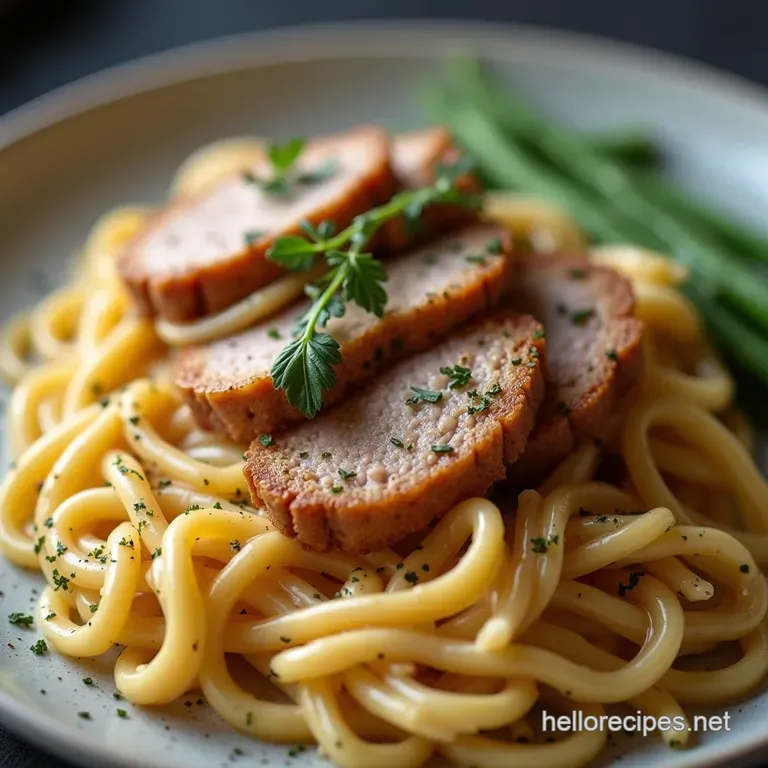
- Unveiling the Soul of Swiss Comfort Food: Authentic Zürcher Geschnetzeltes
- Why This Version Captures True Zurich Elegance
- Assembling Your Pantheon of Flavor Components
- The Essential Provisions for Classic Zürcher Geschnetzeltes
- Mastering the Technique: Step-by-Step Creation Guide
- Elevating and Adapting Your Creamy Sliced Meats
- Addressing Common Culinary Queries About This Classic
- Recipe FAQs
- 📝 Recipe Card
Unveiling the Soul of Swiss Comfort Food: Authentic Zürcher Geschnetzeltes
Transport yourself to the banks of the Limmat! This beloved Swiss specialty, known across German speaking regions simply as Zürcher Geschnetzeltes , or 'Sliced Meats, Zurich Style,' is the definition of creamy, comforting elegance.
It’s the kind of dish that makes you want to put your feet up, perhaps with a decent glass of Chasselas, and forget all about the dreary weather outside. This carefully crafted zürcher geschnetzeltes recipe in english keeps things wonderfully authentic while remaining perfectly achievable for an impressive Sunday Abendessen Rezepte centerpiece.
The preparation involves tender, thinly sliced meat —traditionally veal sautéed quickly and bathed in a luxurious, earthy sauce built upon white wine, rich veal stock, and the true pièce de résistance a generous helping of fresh heavy cream and finely sliced mushrooms.
It is rich, deeply savoury, and utterly satisfying, securing its place among the world's great Classic Dishes .
Why This Version Captures True Zurich Elegance
Achieving true zürcher geschnetzeltes rezept original flavour doesn’t rely on complicated steps, but rather on the quality of the components and respectful execution.
This recipe is rated as Medium difficulty not because the steps are inherently complex, but because precision in timing and temperature control is crucial to ensure the veal remains silken while the sauce achieves that signature velvety consistency.
A Culinary Journey to the Limmat Riverbanks
The preparation time is surprisingly swift totaling just under 45 minutes making it an excellent candidate for a sophisticated weeknight meal when you crave something more refined than standard fare.
We focus on developing maximum flavour in minimal time, particularly through the careful searing of the protein and the subsequent deglazing of the pan, which traps all the savoury depth needed for the sauce.
The Significance of high-quality Veal in This Dish
When approaching zürcher geschnetzeltes ingredients , the veal is paramount. Authentic preparation demands veal tenderloin or scallopini. This cut possesses the necessary tenderness to withstand the quick searing process without becoming chewy.
It cooks rapidly, allowing it to retain moisture, which is vital when we talk about Elegant Food . If veal is unavailable, a high-quality pork tenderloin serves as a commendable substitute, offering a similar lean texture suitable for slicing thin.
Setting the Scene: What to Serve Alongside Your Main Course
Deciding on the accompaniment is almost as important as perfecting the sauce. While you can serve this over simple steamed rice or wide egg noodles (Spaetzle), the most iconic pairing, and one we strongly recommend for the full Swiss experience, is zürcher geschnetzeltes mit rösti .
The crispy, golden potato cake provides the perfect textural counterpoint to the meltingly tender meat and creamy sauce.
Assembling Your Pantheon of Flavor Components
Before we ignite the stove, gathering and preparing every element is key to a smooth cooking process. A slow cooking pace here means relying on high heat for quick stages. For four generous servings, our provision list is carefully balanced to ensure a sauce that binds beautifully without becoming heavy or gummy.
The Essential Provisions for Classic Zürcher Geschnetzeltes
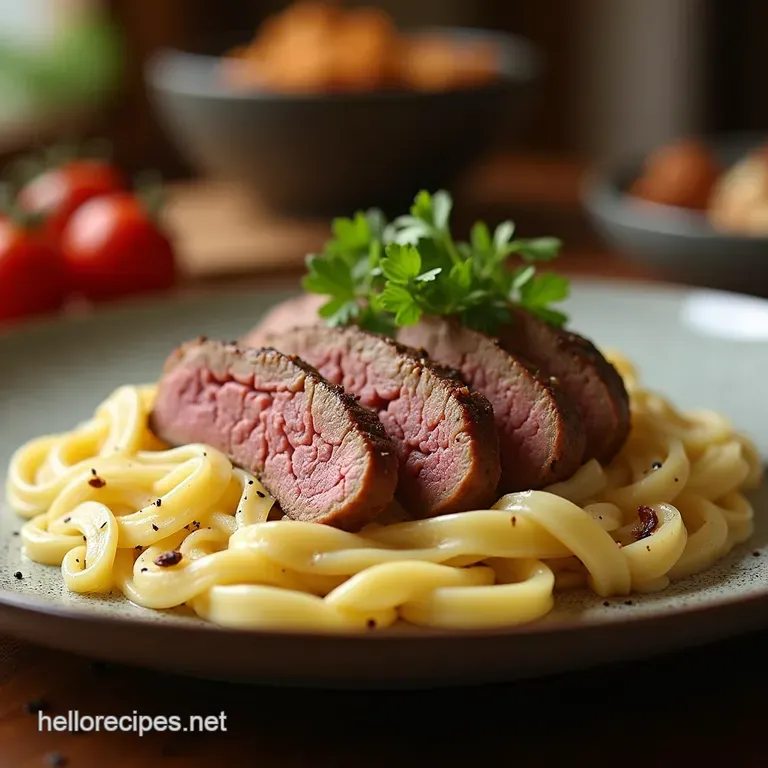
To craft this dish, you will need approximately 1.5 lbs (680g) of veal tenderloin, cut into thin strips. For the aromatic base, finely mince one large yellow onion or a medium shallot, and thinly slice about 8 oz (225g) of fresh cremini or button mushrooms.
The foundational liquid elements include 1 cup (240 ml) of high-quality, low-sodium veal or chicken stock, and a crucial half cup (120 ml) of dry white wine something crisp like a Pinot Grigio works perfectly.
Finally, the richness comes from a half cup of heavy cream (at least 35% fat) and a small splash of fresh lemon juice to cut through the richness. We will also use 3 tablespoons of unsalted butter, 1 tablespoon of light olive oil, 2 tablespoons of all-purpose flour for dusting the veal, and seasoning galore.
Precision Slicing: Preparing the Veal Cuts Correctly
The preparation of the sliced meat determines the final texture. The veal strips must be uniform aiming for about 1/4 inch thickness. After slicing, pat the meat thoroughly dry with paper towels. This step removes surface moisture, which is essential for achieving a proper sear.
Next, the strips require a very light dusting of flour (about 2 tablespoons), ensuring you gently shake off all the excess. This light coating is not meant to create a heavy breading; rather, it serves as a crucial binder when we later create the sauce from the pan drippings.
Selecting the Perfect Mushrooms and Aromatics
Mushrooms are not mere decoration; they provide earthy depth. Choose firm cremini or white button mushrooms; wipe them clean rather than washing them, as they absorb water easily. Slicing them thinly ensures they cook down quickly and release their moisture evenly.
The shallot or onion should be minced finely, as its job is to dissolve subtly into the sauce base, lending a sweet aromatic backbone without leaving chunky pieces.
Stock Matters: Choosing Between Broth and White Wine Ratios
The liquid components must sing in harmony. The 1/2 cup of dry white wine is used primarily to deglaze the pan a non-negotiable step to lift the fond (the browned bits) that hold intense flavour. Following this, the 1 cup of stock provides body.
Using a high-quality stock is paramount, as this ingredient carries the overall savoury profile of the final product.
Mastering the Technique: step-by-step Creation Guide
The entire cooking process relies on controlling heat across three distinct phases: searing, building the base, and finishing the emulsion. This requires a large, heavy bottomed sauté pan, ideally stainless steel, which retains heat well and shows you exactly what flavour you have built up on the base.
The Quick Sear: Browning the Veal Without Overcooking
Heat half the butter and the olive oil in your skillet over medium high heat until the fat is shimmering but not smoking. Add the floured and seasoned veal strips in small batches. The absolute key here is not to overcrowd the pan.
If you pile the meat in, the temperature will drop instantly, causing the veal to steam rather than sear. Each side needs only 1 to 2 minutes to achieve a beautiful golden brown exterior.
Use tongs to transfer the browned veal immediately to a clean plate; it will not be fully cooked yet, but we must stop the searing process to prevent toughness.
Building the Sauce Base: Deglazing with Chasselas Notes
Reduce the heat slightly to medium. Add the remaining butter to the pan. Sauté the minced shallots until they are soft and translucent, about three minutes. Introduce the thinly sliced mushrooms and continue cooking until they have released their moisture and started to brown slightly, concentrating their flavour.
Now comes the magic: pour in the dry white wine. Use a wooden spoon to vigorously scrape up all those glorious caramelized brown bits stuck to the bottom of the pan this captured flavour is the bedrock of your sauce. Let this reduce by about half.
The Final Integration: Simmering to Creamy Perfection
Next, pour in the veal stock. Bring this mixture to a gentle simmer and allow it to reduce slightly, concentrating the flavour intensity for about 5 to 7 minutes, until the liquid visibly begins to thicken and coats the back of your spoon slightly.
Once reduced, stir in the heavy cream and the fresh lemon juice. Taste the sauce now and adjust the salt and pepper. Allow the cream to heat through gently for just one minute; avoid allowing it to boil rapidly after the cream is introduced to prevent potential splitting.
Finally, return the seared veal strips and any juices that have collected on the plate back into the sauce. Gently fold the meat into the creamy mixture and heat through for no more than 1 to 2 minutes.
This brief final stage ensures the veal is perfectly warmed without exceeding its tenderness threshold.
Elevating and Adapting Your Creamy Sliced Meats
While traditional recipes rely on the classic trio of veal, mushrooms, and cream, don't hesitate to elevate the experience. Consider swapping standard cremini mushrooms for richer varieties like wild chanterelles or dried porcini (rehydrated) for a deeper, woodsy flavour that complements the savoury stock beautifully.
For a brighter finish, a tiny pinch of fresh nutmeg, stirred in with the cream, adds a layer of warmth often found in French inspired cream sauces.
Addressing Common Culinary Queries About This Classic
Even experts sometimes face hurdles when working with delicate sauces and quick cooking meats. Understanding how to manage leftovers and potential ingredient swaps ensures consistent success for this complex dish.
Storage Solutions: Keeping Leftover Zürcher Geschnetzeltes Fresh
Leftover zürcher geschnetzeltes keeps well when stored in an airtight container in the refrigerator for up to three days. Because the sauce contains dairy, it should not be stored for excessively long periods.
Ensure the container is sealed tightly to prevent the rich sauce from absorbing any refrigerator odours.
Alternative Protein Swaps for Dietary Flexibility
While veal defines the dish, flexibility is key in modern cooking. As mentioned, pork tenderloin is an excellent substitute. For those seeking poultry, thinly sliced, high-quality chicken breast can work, though it requires slightly shorter searing times due to its leanness.
When using chicken, be extra mindful not to overcook it during the final rewarming stage.
Expert Tips for Reheating Without Breaking the Sauce
Reheating this dish requires a delicate touch, especially to maintain the velvety consistency of the sauce. Never reheat over high heat. Place the leftovers in a saucepan over low to medium low heat.
You will likely need to add a small splash of liquid either a tablespoon of stock, cream, or even water to help loosen the sauce, which tends to thicken considerably upon cooling. Stir gently and consistently until warmed through, again, ensuring it never comes to a vigorous boil.
Serve immediately over fresh Rösti or noodles for the best result.

Recipe FAQs
What's the secret to making sure my veal doesn't turn tough when cooking Zürcher Geschnetzeltes?
The key is high heat and speed! You must sear the veal in small batches so the pan stays hot enough to brown the meat quickly, rather than steaming it. As soon as it's coloured on the outside, remove it immediately, and only return it right at the very end just to warm through this prevents overcooking.
Can I use chicken or pork instead of veal, or is that a total no-go for authenticity?
While true tradition calls for veal, don't fret if you can't find it! high-quality pork tenderloin is an excellent, widely accepted substitute that works brilliantly well in this sauce. Chicken breast works too, but you may want to pound it slightly thinner to match the delicate texture of the traditional version.
My sauce keeps splitting or looking grainy after I add the cream. What am I doing wrong?
Ah, the dreaded cream split! This usually happens if you boil the sauce vigorously once the cream is added, or if the heat is too high. After adding the cream, reduce the heat to a low simmer and allow it to thicken gently.
If it does split, swirl in a teaspoon of cold water or a tiny splash of fresh lemon juice off the heat to sometimes bring it back together.
What is the absolute best side dish to serve with Zürcher Geschnetzeltes?
You simply can't go wrong with crispy, golden Rösti—it's the quintessential Swiss pairing for soaking up all that luxurious sauce. Failing that, light, fluffy Spaetzle (German egg noodles) are also a fantastic choice, or even simple boiled potatoes if you want to keep things straightforward.
How long can I store leftovers, and can I reheat this properly?
Leftovers will keep happily in an airtight container in the fridge for up to three days. When reheating, do so gently over low heat, stirring often. The sauce might seem a bit thick, so feel free to add a small splash of stock or milk to restore that lovely, creamy consistency without boiling it hard.
Creamy Zurcher Geschnetzeltes
Ingredients:
Instructions:
Nutrition Facts:
| Calories | 844 kcal |
|---|---|
| Protein | 11.0 g |
| Fat | 29.8 g |
| Carbs | 47.1 g |
| Fiber | 8.4 g |
| Sodium | 57 mg |
