Mexican Black Beans: the Ultimate Creamy Frijoles Negros
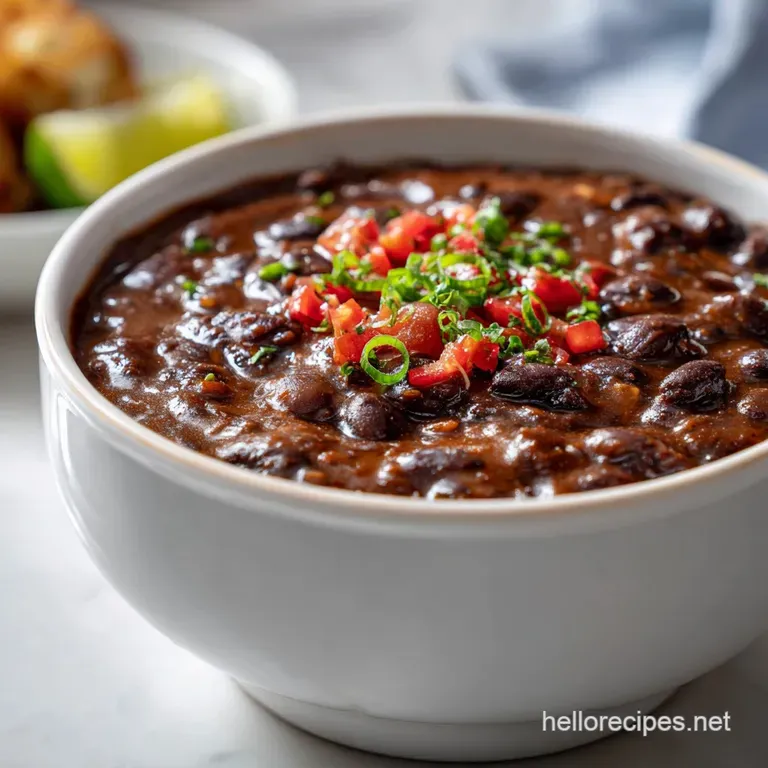
- The Secret to Restaurant-Quality Frijoles Negros
- The Science of Creaminess: Why the Low and Slow Method is Essential
- Essential Pantry Staples for Authentic Mexican Black Beans
- | Ingredient | Substitute | Why it Works | | :--- | :--- | :--- | | Lard ( Manteca ) | Neutral Oil (Avocado/Canola) or Bacon Fat | Maintains a neutral or smoky flavour base. | | Mexican Oregano | Standard Oregano | Use 1/2 the amount; standard is much stronger. | | Epazote | 2 Bay Leaves (remove before serving) | Provides an aromatic, earthy note when Epazote isn't available. |
- Preparing Your Frijoles: A Step-by-Step Cooking Guide
- Troubleshooting Frijoles: Chef's Tips for Perfect Results
- Making Ahead: Storage and Reheating Guide
- Beyond the Side Dish: Creative Ways to Use Your Frijoles
- Recipe FAQs
- 📝 Recipe Card
The Secret to Restaurant Quality Frijoles Negros
That smell! It’s the deep, earthy, slightly smoky aroma of perfect, slow cooked beans, and it tells you everything you need to know. That smell means you’ve finally mastered true, restaurant quality Mexican Black Beans .
Forget the sad, thin liquid from the can; we are talking about Frijoles Negros —a dish so essential and creamy it forms the entire backbone of amazing Mexican cooking.
This recipe is seriously a lifesaver. It’s outrageously cheap, requires minimal active effort, and when you batch cook a huge pot of these, you’ve basically set yourself up for three days of incredible meals. They freeze like a dream, too.
If you are ready to learn the few simple tricks that turn dried beans into a velvety, complex staple, let’s crack on. I’ll share the low and slow secrets I learned the hard way (hello, rock hard beans!).
The Science of Creaminess: Why the Low and Slow Method is Essential
What Makes Traditional Mexican Black Beans Different?
Authentic Mexican Black Beans are distinct because of their texture: they are silky, rich, and slightly smashed, not just whole beans floating in water. This is achieved by slow cooking with the aromatics and allowing the beans to release their natural starches.
We aren't just boiling them; we are stewing them down until the liquid becomes an integral, velvety part of the dish.
Canned vs. Dried: Achieving the Creamiest Texture
You simply cannot achieve this level of creaminess using canned beans I’ve tried, trust me. Dried black turtle beans still have all their starch intact. When cooked gently for hours, this starch dissolves into the liquid, thickening it naturally and creating that rich mouthfeel we love.
If you use the quick and easy canned route, you end up with a watery broth, which is fine, but not spectacular .
A Culinary Backbone: The Role of Black Beans in Authentic Cuisine
These stewed black beans are fundamental. They aren’t just a side dish; they are a foundation. From filling tacos to layering into casseroles, or becoming the savoury base for a hearty soup, perfect Mexican Black Beans hold everything together.
This versatile recipe will elevate everything you serve them with, including simple things like rice and eggs.
Layering Aromatics for Smoky Depth
The depth of flavor in this Mexican Black Beans recipe comes from the sofrito. We start with fat (ideally lard, but oil works), sautéing onions and chiles until sweet, then blooming the spices in that hot oil. This blooming process is non-negotiable!
It toasts the cumin and oregano, unlocking their maximum flavour potential before the liquid goes in.
The Power of the Soaking Process (Or Lack Thereof)
I know, soaking is boring. But soaking your beans overnight reduces the cooking time significantly, often cutting it down by an hour or more. More importantly, it helps the beans cook more uniformly and gently aids in digestion. If you forget? Don't panic. Just budget an extra hour and a half for simmering time.
Simmering for Maximum Starch Release
This is the patience stage. You want the barest, slightest bubble, almost like a slow hot tub for beans. A fast boil will break them apart too quickly and won’t allow the starches to release gently and emulsify into the cooking liquid.
Low and slow ensures the starch has time to turn the cooking liquid into a creamy, rich sauce.
Essential Pantry Staples for Authentic Mexican Black Beans
This recipe is proof that simple ingredients yield incredible results, provided they are treated properly.
Selecting the Right Black Turtle Beans
Look for dried black turtle beans that are shiny and whole, not dusty or broken. The fresher the better! While black turtle beans are preferred for this style of dish, you could certainly apply this technique to a batch of pinto beans if you were aiming for something like refried beans, or a delicious, creamy Recipes featuring Beans and Lentils: Hearty Smoked Sausage Ragout using different varieties.
Epazote: The Herb You Can't Skip (Why it Matters)
Epazote is the secret weapon of authentic Mexican Black Beans . It has a unique, almost resinous flavour a bit like anise mixed with oregano that defines the dish. It also, conveniently, helps reduce the gassy side effects of beans!
If you can’t find it fresh, dried is fine; otherwise, the bay leaf substitution works, but you’ll miss that signature flavor profile.
Building the Sofrito Base: Onion, Garlic, and Bay Leaf
The base of flavour starts with finely diced yellow onion, garlic, and a bit of heat from a jalapeño or serrano. I always reach for a yellow onion because it provides sweetness as it softens.
Crucially, never let the garlic burn ; add it right after the onions are translucent and only cook it for 60 seconds until fragrant.
Salt Timing: When to Season Your Beans for Tenderness
This is the biggest mistake I see home cooks make, and I made it for years! Do NOT add salt until the very end. Adding salt prematurely toughens the skin of the beans, making them unable to soften fully, no matter how long you simmer them.
Wait until they are perfectly tender, then season.
| Ingredient | Substitute | Why it Works | | :--- | :--- | :--- | | Lard ( Manteca ) | Neutral Oil (Avocado/Canola) or Bacon Fat | Maintains a neutral or smoky flavour base. | | Mexican Oregano | Standard Oregano | Use 1/2 the amount; standard is much stronger. | | Epazote | 2 Bay Leaves (remove before serving) | Provides an aromatic, earthy note when Epazote isn't available. |
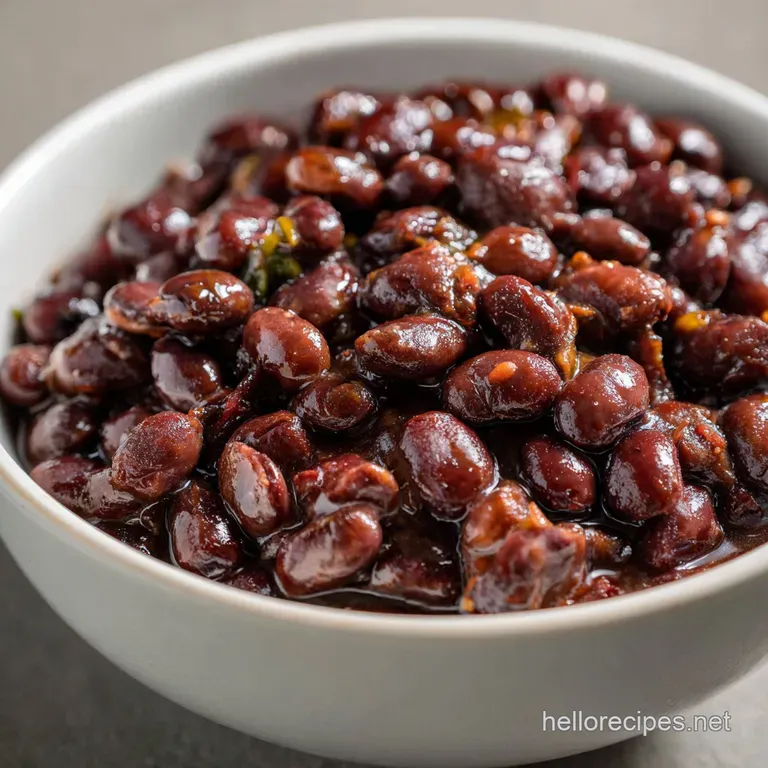
Preparing Your Frijoles: A step-by-step Cooking Guide
Rinsing and Initial Preparation of Dry Beans
Start by giving your dried beans a thorough cold water rinse in a strainer. I always spread them out quickly on the counter to check for any tiny rocks or debris that might have snuck in (it happens!). If you soaked them overnight, drain and rinse them again before moving on.
Sautéing the Aromatic Sofrito Base
In your heavy bottomed pot, melt the lard or heat the oil over medium heat. Add the diced onion and cook for 5 to 7 minutes until it's totally soft and clear. Next, toss in the jalapeño and the garlic. Cook until fragrant that glorious smell is your cue.
Now, add your cumin and Mexican oregano; stir constantly for 30 seconds to wake those spices right up!
The Long Simmer: Achieving Perfect Tenderness
Dump the drained beans, the water or stock, and the Epazote/bay leaves right into the pot. Bring the whole mixture up to a rapid boil, then immediately turn the heat way, way down. Skim off any foam that rises. Cover the pot and simmer for about 90 minutes. Check them.
If they are still hard, keep going, uncovered, until they yield completely to the touch.
Chef’s Note: The total cook time is totally dependent on the age of your beans. If they are very old, they can take 3 hours. Taste test often!
Finishing Touches and Achieving the Desired Consistency
Once the beans are meltingly tender, remove the herbs. Now, add the salt, stir, and taste. Adjust as needed! This is the magic moment: grab your potato masher or wooden spoon and mash about a quarter of the beans against the side of the pot. This releases the starch, thickens the liquid into a luscious sauce, and gives you that ultimate creamy texture. Now they are ready for anything, maybe even filling some tasty Mexican Stuffed Peppers Recipe: Cheesy Smoky Fiesta Fillings .
Troubleshooting Frijoles: Chef's Tips for Perfect Results
Mistake 1: Not Adding Enough Water During Cooking
If the liquid level drops too low during the simmer, your beans risk drying out or burning on the bottom, especially if you have an uneven heat source. Always ensure the beans are covered by at least an inch of liquid throughout the simmering process.
If you need to top up, always use boiling water adding cold water will stall the cooking process and potentially toughen the beans.
How to Fix Hard Beans (Even After Long Simmering)
If you followed the "salt last" rule and your beans are still rock hard after 2. 5 hours, they are likely old. The fix is simple: add 1/4 teaspoon of baking soda (bicarbonate of soda) to the cooking liquid. This changes the pH, softening the tough skins almost instantly.
Be warned: Do not add too much, or your broth will taste metallic.
Achieving That Restaurant Style Smashed Texture
The key to restaurant style, perfectly creamy Mexican Black Beans is selective mashing. You don't want refried beans (yet!), you just want to burst enough beans to thicken the broth. I use a wooden spoon to press them firmly against the side of the pot 4 or 5 times, then stir. That’s it!
Making Ahead: Storage and Reheating Guide
Refrigerator Shelf Life and Best Practices
Cooked Mexican Black Beans store wonderfully. Once completely cool, transfer them (including the rich broth) to an airtight container. They will last safely in the fridge for up to 5 days.
They tend to thicken up a lot overnight, so don't worry if they seem slightly too loose when you first finish them.
Freezing Cooked Beans Safely for Batch Prep
Do they freeze well? Absolutely! This is why batch cooking these is smart. Portion them into smaller, meal sized freezer bags or containers. Be sure to leave about an inch of headspace if using containers, as the liquid will expand. They freeze brilliantly for up to 3 months.
When you are ready to use them, thaw them overnight in the fridge.
Reheating Without Losing Creaminess
Reheating is easy. Place the beans in a saucepan over medium low heat. Because they thicken when cold, you may need to add a splash of water or stock to loosen them up and restore that creamy texture. Heat gently, stirring often, until they are hot all the way through. Avoid a rapid boil, which can make them dry out.
Beyond the Side Dish: Creative Ways to Use Your Frijoles
These incredible, creamy black beans are the perfect side, sure, but they can be so much more.
Refrigerator Shelf Life and Best Practices
- Bean Dip Base: Mash the beans completely, stir in some lime juice and cotija cheese, and serve warm with tortilla chips.
- Breakfast Bowls: Serve them piping hot alongside scrambled eggs and avocado, topped with hot sauce.
- Soup Starter: Thin them out with extra vegetable stock and blend half the mixture for an instant, rich black bean soup.
- Filling: They make a perfect, hearty filling for enchiladas, burritos, or the ultimate Mexican Stuffed Peppers Recipe: Cheesy Smoky Fiesta Fillings .
These delicious Mexican Black Beans are a kitchen fundamental that once you master, you'll never buy canned again. Enjoy!

Recipe FAQs
Why aren’t my black beans getting soft and creamy?
Hard beans usually result from adding salt or acidic ingredients (like vinegar or tomatoes) too early in the cooking process, which prevents proper hydration. Ensure you add salt only after the beans are fully tender, typically during the last 15 to 30 minutes of simmering.
My final bean mixture is too soupy; how can I thicken it?
If the mixture is too runny, remove the pot lid during the last half hour of cooking to allow excess liquid to evaporate naturally. For immediate thickening, remove about a half cup of beans, mash them aggressively against the side of the pot, and stir the starch back into the liquid.
Is soaking the black beans mandatory for this recipe?
While not strictly mandatory, especially if using a pressure cooker, soaking dried beans dramatically reduces the cooking time and promotes more even softening. Soaking for 6-8 hours also helps remove indigestible starches, making the beans easier to digest.
Can I make this Frijoles Negros recipe entirely vegan or vegetarian?
Absolutely. If the recipe calls for bacon fat or lard, substitute it with a neutral cooking oil like olive oil or avocado oil. To retain a deep, smoky undertone, you can include a teaspoon of smoked paprika or a chipotle pepper in adobo sauce during the simmer stage.
How long can I store leftover cooked black beans, and can I freeze them?
Cooked black beans will keep well in an airtight container in the refrigerator for up to 5 days. For long term storage, they freeze beautifully; cool them completely in their liquid, and they can be frozen for up to 3 months without significant loss of texture or flavor.
What should I do if my beans start burning or sticking to the bottom of the pot?
Burning usually indicates the heat is too high or there is insufficient liquid covering the beans. Immediately reduce the heat to the lowest setting and add another cup of hot water or broth, gently scraping the bottom only if the stuck portion hasn't scorched yet.
Avoid stirring vigorously, as this can break up the beans.
I want to use these beans for refried beans (Frijoles Refritos); how do I prepare them?
To prepare them for refrying, drain the cooked beans, reserving the cooking liquid. Sauté them in a separate pan with a bit of lard or oil, mashing them aggressively until they form a coarse paste. Add the reserved liquid incrementally until you achieve the desired consistency for spreading or filling.
Creamy Mexican Black Beans Recipe
Ingredients:
Instructions:
Nutrition Facts:
| Calories | 215 kcal |
|---|---|
| Protein | 13.0 g |
| Fat | 3.0 g |
| Carbs | 35.0 g |
