Tuscan White Bean Soup: the Classic Creamy Zuppa Di Fagioli Recipe
- The Soul of Tuscany in a Bowl: Understanding Zuppa di Fagioli
- Achieving the Signature Creaminess: Why This Tuscan White Bean Soup Recipe Excels
- Gathering Your Fagioli : Ingredients and Essential Prep Notes
- The Method: Step-by-Step for the Perfect Tuscan White Bean Soup
- Refining Your Technique: Expert Tips and Common Zuppa di Fagioli Mistakes
- Storing and Reheating: A Guide to Meal Prepping Your Bean Soup
- Completing the Italian Meal: Serving Suggestions
- Recipe FAQs
- 📝 Recipe Card
The Soul of Tuscany in a Bowl: Understanding Zuppa di Fagioli
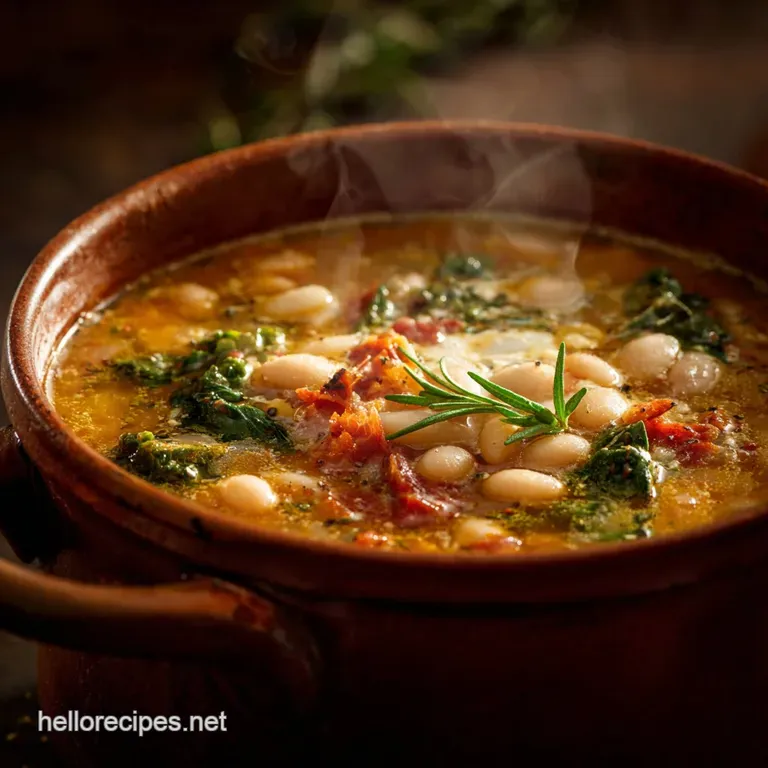
Have you ever smelled something that instantly makes you feel hugged? That’s what this Tuscan White Bean Soup, or Zuppa di Fagioli , does to me every single time.
It has this incredible, creamy texture, and the aroma of simmering fresh rosemary and sage floating through the kitchen is just pure magic.
People often think traditional Italian food is super complicated, but this recipe is proof that simplicity creates brilliance. This dish is the definition of cucina povera , or "poor cooking," where humble, cheap pantry staples like Cannellini beans and basic aromatics are transformed into something deeply luxurious and nourishing.
Seriously, it's a weeknight lifesaver that tastes like you spent all day cooking.
Forget the thin, watery versions you might have tried before; my recipe has a couple of key tricks for getting that signature velvety body without resorting to heavy cream. We are going to layer the flavour perfectly, making an absolute masterpiece of rustic comfort.
Let's crack on and dive into the secrets behind the best Tuscan White Bean Soup you will ever make.
Achieving the Signature Creaminess: Why This Tuscan White Bean Soup Recipe Excels
We are aiming for deep, savoury depth here, not just canned beans dumped in broth. The real success of Zuppa di Fagioli lies in four crucial techniques that respect the history of the ingredients while maximizing their flavour potential.
What Defines Authentic Cucina Povera ?
Cucina povera means cooking with minimal ingredients, relying on clever techniques rather than expensive additions. This approach uses the natural starch and flavour of the beans themselves to create richness. It’s the same philosophy that makes dishes like my Thyme White Bean Pot Pies Creamy Hearty Vegan Comfort Food so satisfying resourcefulness trumps complicated steps every time.
The History of the Humble Cannellini Bean
Tuscan cuisine relies heavily on beans, earning Tuscans the nickname mangiafagioli (bean eaters). The Cannellini bean is key here because it holds its shape beautifully while simultaneously releasing enough starch to thicken the liquid around it.
They are robust, earthy, and essential for the authentic flavour profile.
Nutritional Snapshot: Comfort Food that Nourishes
This isn't just great tasting; it's genuinely good for you. Since the recipe relies on vegetable stock, olive oil, and beans, this soup is packed with fiber and healthy fats. It feels decadent, but it is actually a powerhouse of plant based protein and nutrients.
The Essential Role of the Emulsified Olive Oil Base
We don't just use olive oil; we use a lot of it, and we treat it carefully. Heating the soffritto (onion, carrot, celery) slowly in generous Extra Virgin Olive Oil for 10 to 12 minutes is mandatory.
This slow sweat allows the natural sugars in the vegetables to release, creating a sweet, complex base that perfectly emulsifies with the liquid later on.
The Starch Secret: Puréeing for Natural Thickening
This is the non-negotiable trick: you must purée a portion of the soup. By taking about one-third of the cooked soup (solids and liquid) and blending it until perfectly smooth, you release the bean starch directly into the broth.
This creates a velvety, luxurious texture without adding any cream or floury roux.
Aromatic Infusion: Maximizing Rosemary and Sage Flavor Release
Rosemary and sage are the soulmates of the Cannellini bean. We add whole sprigs and leaves early in the simmer, allowing the essential oils to slowly infuse the entire broth. Removing the herbs before blending prevents that bitter, pine needle flavour that happens when they get pulverized.
Gathering Your Fagioli : Ingredients and Essential Prep Notes
The beauty of this soup is that the quality of your few ingredients truly matters. Don't cheap out on the olive oil, but feel free to be smart about the beans.
Canned vs. Dried Cannellini Beans: Making the Best Choice
I use canned beans because I am usually making this after a chaotic workday, and efficiency wins. If you use canned, make sure you drain and rinse them well to get rid of the metallic taste and excess sodium.
If you want next level texture and have the time, use dried beans that have been soaked overnight and cooked gently until tender.
| Ingredient | My Recommendation | Viable Substitution |
|---|---|---|
| Cannellini Beans | Canned (drained/rinsed) | Great Northern Beans or Navy Beans |
| Vegetable Stock | Low Sodium | Chicken stock (adds richness) |
| Finishing EVOO | high-quality, peppery, robust oil | Do not substitute; use the same good EVOO for cooking and finishing |
| Fresh Herbs | Rosemary and Sage | Use 1/2 tsp dried, bundled in cheesecloth, but fresh is far superior |
Choosing high-quality Extra Virgin Olive Oil
You need two olive oils, essentially. Use a good, workhorse EVOO for cooking the soffritto . Then, get a special, peppery, robust EVOO for drizzling over the finished bowl that finishing drizzle makes all the difference in the world.
Fresh Herb Focus: Rosemary, Sage, and Garlic
Dried herbs are fine in a pinch, but they taste like sad dust here. Fresh rosemary releases a complex, woodsy scent, and sage adds an essential earthy note. We slice the garlic instead of mincing it so it cooks slower and releases flavour without burning.
Stock Options: Vegetable Broth vs. Water Simplicity
Vegetable broth gives a deeper baseline flavour, but if you don't have it, don't panic. You can absolutely use water. If you use water, you must lean heavily on the Parmesan rind and remember to salt more aggressively in layers, as the water will be completely neutral.
Chef's Note: If you are lucky enough to have a Parmesan rind kicking around, throw that baby into the pot while simmering. It adds a salty, nutty, profound umami boost that truly screams "old-world Italian kitchen." Just remember to fish it out before blending!
The Method: step-by-step for the Perfect Tuscan White Bean Soup
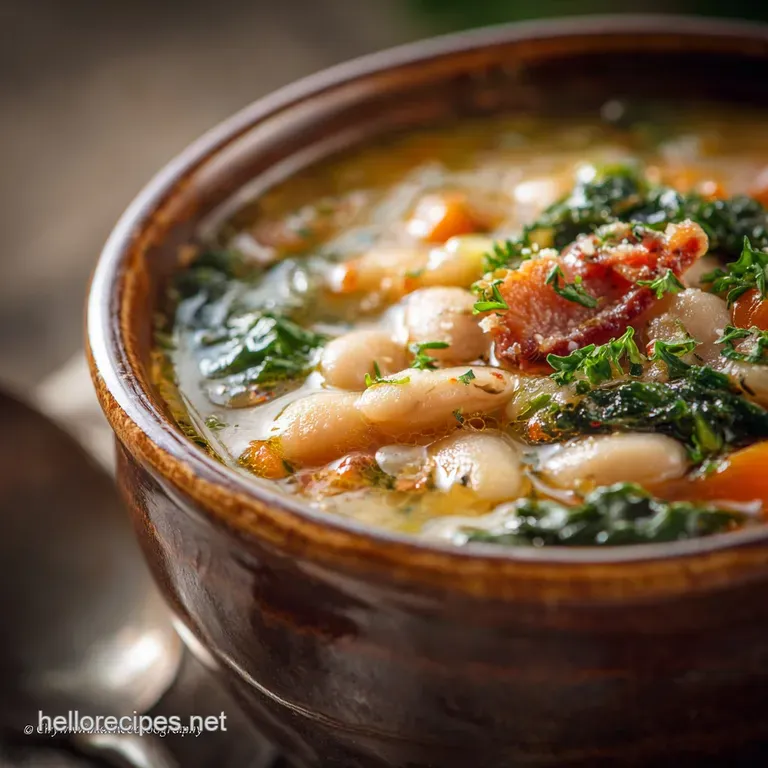
This soup is all about patience in the early stages and aggressive seasoning at the end. Don't rush the flavour building.
Building the Soffritto Base (Aromatics Prep)
- Sauté Slowly: Heat the 1/4 cup of olive oil in a Dutch oven over medium low heat. Add the diced onion, carrot, and celery. Cook this soffritto gently, stirring often, for 10– 12 minutes. The goal is soft, translucent meltiness, not browning.
- Activate the Aromatics: Stir in the sliced garlic and tomato paste (if using). Cook for just 60 seconds until you can really smell the garlic. This quick cook adds great depth.
The Puréeing Stage: Creating the Velvety Texture
- Simmer and Soak: Add the drained beans, stock, whole rosemary sprigs, sage leaves, and the optional Parmesan rind. Bring everything to a gentle simmer, reduce the heat to low, and cover loosely. Simmer for 40 minutes so the flavours can fully integrate.
- Remove the Bitters: Carefully remove and discard all the herb sprigs, leaves, and the Parmesan rind. You don’t want those bitter bits pulverized.
- Achieve Creaminess: Use an immersion blender to purée about one-third of the soup directly in the pot. If you don't have one, transfer two cups of the soup solids and liquid to a regular blender and return the velvety mixture to the pot.
Simmering and Flavor Integration
- Final Thicken: Bring the soup back up to a gentle simmer for 5– 10 minutes. It will visibly thicken as the bean starch heats up.
- The Final Seasoning Test: Taste the soup. Now season aggressively with salt and pepper. The beans absorb a tremendous amount of seasoning, so trust your palate and keep adding salt until the flavour truly pops.
The Final Drizzle: Finishing with Fresh EVOO
- Serve Hot: Ladle the finished Zuppa di Fagioli into warm bowls. The final touch is crucial: drizzle a generous tablespoon of that high-quality finishing olive oil over each serving. Add a final grind of black pepper, and serve immediately with crusty bread.
Refining Your Technique: Expert Tips and Common Zuppa di Fagioli Mistakes
Even though this soup is easy, there are a few places where people mess it up and end up with something boring or bitter. Don't be that person!
The Importance of Salting in Layers
Never add all your salt at the beginning. You must salt the soffritto lightly, and then perform the final, heavy seasoning after blending and simmering. If you under salt the finished soup, it will taste bland, no matter how great your herbs are.
Avoiding Grainy Texture: When to Add the Herbs
My biggest mistake when I first made this? I minced the rosemary and added it at the start. It turned the whole broth bitter and gritty. Always use whole sprigs of rosemary and large leaves of sage, and remove them completely before puréeing.
This ensures maximum flavour infusion without any unpleasant texture.
How to Fix an Overly Thin or Thick Soup
If your soup is too thin, blend another cup of the whole beans until smooth, and stir that back in. If it’s too thick (maybe you blended too much?), just add a splash of stock or water until you hit your preferred consistency. Easy fix!
Storing and Reheating: A Guide to Meal Prepping Your Bean Soup
This soup is fantastic for meal prep because the flavour only improves the next day. But does it freeze well? You bet it does.
Refrigeration Lifespan and Safety
This Tuscan White Bean Soup will last beautifully in an airtight container in the refrigerator for 4 to 5 days. It will thicken considerably as it chills, so don't worry about that; it's normal.
Best Practices for Freezing Cooked Bean Soup
Cool the soup completely before portioning it into freezer safe containers, leaving about an inch of headspace at the top for expansion. It keeps well for up to three months.
Reviving the Texture After Thawing
When you thaw the soup (preferably overnight in the fridge), it might look a little chunky or separated. Just transfer it to a pot, add 1/4 to 1/2 cup of water or stock, and reheat gently over medium low heat while stirring occasionally. This helps revive that gorgeous, creamy consistency.
Completing the Italian Meal: Serving Suggestions
A true bowl of Zuppa di Fagioli only requires a few simple accompaniments to shine.
We usually serve this as a main course, but it’s amazing as a starter too. A simple side of my Garlic Butter Green Beans: Tender Crisp Side Ready in 18 Minutes provides a necessary textural crunch.
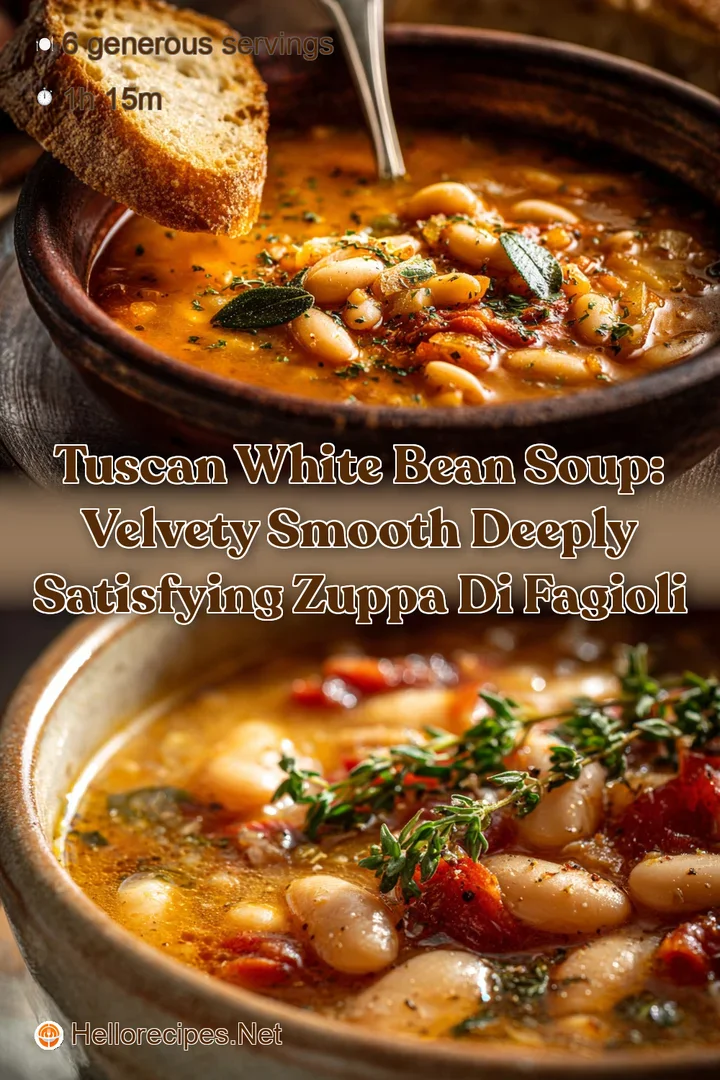
The single best pairing is crusty bread, toasted or grilled, perhaps rubbed with a little raw garlic clove while still warm. Don't be shy about dipping! This isn’t a fancy French sauce; this broth is meant to be soaked up.
If you're looking for something lighter, a simple arugula salad dressed with just lemon and olive oil cuts the richness perfectly.
Recipe FAQs
What defines an authentic traditional Tuscan White Bean Soup (Zuppa di Fagioli)?
Authenticity relies on cucina povera simplicity, focusing primarily on high-quality olive oil, earthy Cannellini beans, and the brilliant pairing of fresh rosemary and sage. Traditionally, the soup is thickened solely by puréed beans, never cream, ensuring a hearty yet velvety texture.
It is often served simply, drizzled with excellent extra virgin olive oil and accompanied by stale or toasted rustic bread.
Is traditional Zuppa di Fagioli vegetarian, and how can I ensure it stays meat free?
Yes, traditional Zuppa di Fagioli is often inherently vegetarian or vegan in its purest form, designed to utilize simple garden ingredients. If you omit any cured meats like pancetta or prosciutto (sometimes used in the initial oil infusion) and use vegetable broth, the soup remains entirely meat free.
Ensure that any Parmesan cheese used for topping is omitted for a strictly vegan diet.
How can I naturally thicken the soup if the broth is too thin?
The key to natural thickening is the starch released by the beans themselves; the best method is to purée about 1/4 to 1/3 of the cooked beans along with some of the cooking liquid. Stir this creamy mixture back into the pot and allow it to simmer for 15-20 minutes, which will develop a richer consistency.
If necessary, you can also remove the lid for the final 10 minutes to allow excess moisture to evaporate.
How can I incorporate meat, like sausage or pancetta, into this soup for added flavor?
Cured meats add a deep, savory foundation often enjoyed in heartier versions of the soup. For sausage, brown Italian sweet or spicy sausage separately, drain the fat, and stir the cooked sausage into the soup during the final simmer.
Alternatively, render small cubes of pancetta or guanciale in the pot before adding the vegetables; this cured meat fat will form a rich flavor base for the entire dish.
I don't have Cannellini beans. Can I substitute them, and what is the best alternative?
While Cannellini beans are preferred for their silky texture and slightly earthy flavor, great Northern or navy beans make excellent substitutes. These beans are similar in starch content and will break down well enough to create the desired creamy broth texture.
Using high-quality dried beans that you soak and cook yourself, regardless of variety, yields the best results over canned alternatives.
What are the best methods for storing and freezing leftover Tuscan White Bean Soup?
Store leftovers in an airtight container in the refrigerator for up to 4 days, noting that the soup will thicken considerably overnight due to the starch. For freezing, cool the soup completely, then transfer it to freezer safe bags or containers, leaving about an inch of headspace, where it will keep well for up to 3 months.
Thaw overnight in the refrigerator and reheat gently, adding a splash of water or broth if it is too thick.
How does this classic recipe compare to celebrity versions, such as Giada De Laurentiis'?
Celebrity chef versions, including Giada’s, typically utilize the core traditional elements (beans, rosemary, olive oil) but might introduce variations like added greens (spinach/kale) or pre-made broth instead of the flavorful bean cooking liquid.
The classic approach prioritizes cucina povera simplicity, focusing on maximizing the inherent flavor of the beans themselves with minimal ingredients. Both are delicious, but the classic recipe emphasizes rustic tradition.
Classic Tuscan White Bean Soup Recipe
Ingredients:
Instructions:
Nutrition Facts:
| Calories | 390 kcal |
|---|---|
| Protein | 7.2 g |
| Fat | 21.3 g |
| Carbs | 30.2 g |
