Hoppin John: Classic Smoky Black-Eyed Peas Recipe
- Unlocking Good Fortune: The Story and Flavor of Hoppin’ John
- Essential Components: Sourcing Black-Eyed Peas, Rice, and Smoky Pork
- The Cooking Process: Mastering the Classic Southern Method (Step-by-Step)
- Achieving the Perfect Balance: Why Our Smoky Hoppin' John Method Works
- Troubleshooting and Expert Hacks for the Best Result
- Making it Ahead: Storage, Refrigeration, and Freezing Guide
- Traditional Pairings: What to Serve Alongside Your Bowl of Fortune
- Recipe FAQs
- 📝 Recipe Card
Unlocking Good Fortune: The Story and Flavor of Hoppin’ John
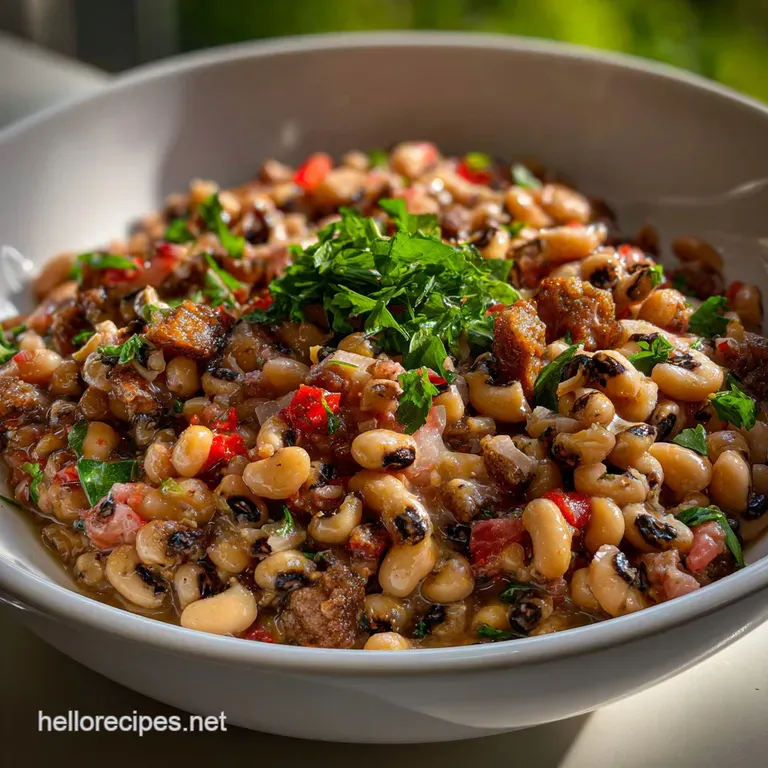
That deep, earthy, smoky smell hitting you, right? That’s the aroma of serious Southern comfort, and it means a pot of classic Hoppin John is simmering on the stove. This dish is pure magic, promising warmth, flavor, and, most importantly, good luck for the year ahead.
Forget fussy techniques; we are talking about a meal built entirely on humble, affordable ingredients. It’s cheap, incredibly filling, and honestly, mostly hands off once the initial prep is done.
Trust me, it’s a lifesaver, whether you’re serving a crowd on New Year’s or just craving something hearty mid-week.
I’ve made plenty of mistakes over the years trying to get that perfect texture ending up with gluey, sticky mush instead of beautifully separated grains. But I finally cracked the code on the ratio and the resting time.
Now, I’m showing you the secrets to mastering this truly authentic, smoky Hoppin John that guarantees maximum flavor and that essential fluffy texture.
What is Hoppin’ John? A Culinary Definition.
At its simplest, Hoppin John is a classic combination of black eyed peas, rice, and cured pork, cooked together in a savory, aromatic broth. It’s a foundational dish in Lowcountry cuisine, with roots that stretch back centuries, combining African, European, and Indigenous cooking techniques.
This isn't just "rice and beans." The peas need to hold their shape, and the rice must be fluffy, absorbing all that glorious smoked pork essence. The result should be deeply savory and profoundly satisfying.
The Tradition of Prosperity: Why We Eat Black Eyed Peas on New Year’s.
The history of eating this dish on January 1st is fascinating, rooted in post Civil War tradition. Why the peas? They are round, symbolizing coins, and represent abundance or prosperity for the coming year.
The rice expands when cooked, symbolizing increased wealth, and often, collard greens (the color of paper money) are served alongside. While it’s certainly great any time, this ritual of making Hoppin John gives the meal a wonderful layer of cultural weight and optimism.
Southern Comfort Meets Simplicity: What Makes This Hoppin' John Recipe Stand Out.
This isn't an over complicated, chef-y version; it's the real deal the kind of soul food you remember. We prioritize rendering the pork slowly to build the deepest flavor base possible.
The key to truly great Hoppin John lies in controlling the liquid and using the residual heat to steam the rice, preventing scorching and mush. It’s all about patience, especially in that final resting period.
Essential Components: Sourcing Black Eyed Peas, Rice, and Smoky Pork
You can’t cheat the basics here. The quality of your three main components peas, rice, and pork will determine the soul of your Southern Hoppin John . Don’t skimp on the smoky stuff!
Preparation Notes for Dried Black Eyed Peas (Soaking or Quick Soak)
You must sort and rinse your black eyed peas first; you never know what debris might be hiding in the bag. Soaking is not strictly mandatory, but it significantly speeds up the cooking time and leads to more evenly cooked peas. A long, overnight soak is best, where they almost double in size.
If you forgot (we’ve all been there), just use the quick soak: bring them to a rolling boil for 2 minutes, turn off the heat, cover, and let them rest for an hour. Drain them either way before starting your Black Eyed Peas Hoppin John .
Crucial Tip: Never add salt to the simmering liquid until the peas are nearly tender. Adding salt too early can toughen the skin, making them take forever to soften!
Selecting the Right Rice: Long Grain vs. Carolina Gold
For a traditional, non-sticky texture, you absolutely must use long grain white rice. Carolina Gold is the heritage choice, delivering incredible flavor, but a good quality Basmati or even standard long grain white rice works perfectly well.
Do not use arborio, sushi, or short grain rice; those release too much starch and will ruin the texture of your Hoppin John.
| Ingredient | Standard Choice | Viable Substitute |
|---|---|---|
| Pork | Smoked Pork Jowl/Fatback | Ham Hocks, Salt Pork, or Smoked Turkey Leg |
| Peas | Dried Black Eyed Peas | Canned Black Eyed Peas (drain, add later) |
| Liquid | Chicken Stock | Vegetable Broth, or Water + Bouillon Cube |
| Aromatics | Yellow Onion | Vidalia or White Onion |
The Smoky Element: Utilizing Salt Pork, Bacon, or Ham Hocks
This is where the magic happens and the depth of the flavor is established. I prefer smoked pork jowl or fatback because they render down perfectly and deliver unparalleled flavor to this traditional Hoppin John . Bacon is a great substitute, but be sure to use thick cut pieces.
If you use a ham hock, you get a beautiful collagen boost, but you need to remove the bone before adding the rice.
Smart Swaps: Maintaining Depth Without Meat
If you’re making a vegetarian version, you can still achieve a smoky depth in your Hoppin John . Use olive oil instead of pork fat, but add a half teaspoon of smoked paprika when you sauté the aromatics.
For an even more profound smoky note, add a tiny splash of liquid smoke to the broth right before you add the rice. We still need that savory, deep undertone!
The Cooking Process: Mastering the Classic Southern Method (step-by-step)
This process is broken down into phases for foolproof success. We build the flavor, cook the peas, and then, separately, steam the rice.
Phase I: Rendering the Pork and Sautéing the Aromatics
Start by cubing your smoked pork and adding it to a cold Dutch oven. Turn the heat to medium low and let the fat slowly melt out. This should take 10 minutes or more listen for that gentle sizzle, not a rapid crackle. Once the pork pieces are crispy, remove them.
Keep about two tablespoons of that luscious, rendered pork fat in the pot. Then, add your diced onions and celery. Sauté them gently until they turn translucent and smell sweet and nutty, about 8 minutes. Finally, stir in the garlic for just one minute; we want it fragrant, not burnt.
Phase II: Simmering the Peas to Perfect Tenderness
Pour in your stock and water, add the drained black eyed peas, bay leaf, thyme, and pepper flakes. Bring this slowly up to a boil, then immediately turn the heat way down to a very gentle simmer. Cover the pot and let the peas go for 40– 45 minutes.
They need to be soft and creamy inside but still maintain their beautiful shape. Check them often, because an overcooked black eyed pea is a tragedy.
Phase III: The Absorption Method: Adding Rice and Liquid
Once the peas are almost done, remove the bay leaf and taste the broth, adding salt now if needed. It needs to taste slightly over salted at this stage, as the bland rice will absorb most of it. Stir in your rinsed long grain rice. Crucially, check your liquid level!
It should just barely cover the peas and rice, maybe a half inch of liquid above the surface. Bring it back to a bare simmer, cover the pot tightly, and drop the heat to the absolute lowest setting. Cook for 17 minutes without lifting that lid, seriously.
Resting and Fluffing: The Final Touch for Ideal Texture
When the 17 minutes are up, turn off the heat completely. This is the hardest part: leave the pot covered and undisturbed for 10 full minutes. That steam trapped inside is finishing the rice, giving it that perfect fluffy lift.
Once rested, lift the lid, add your butter, and gently fluff the Hoppin John with a fork, moving from the edges inward. We are aiming for light separation, not stirring it into a paste.
Achieving the Perfect Balance: Why Our Smoky Hoppin' John Method Works
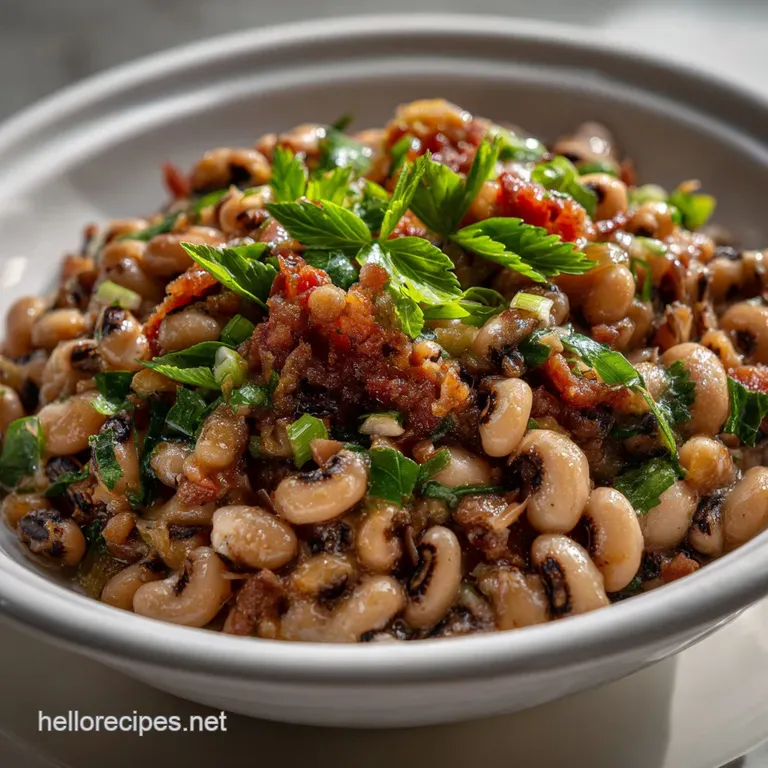
The secret to this method of How To Make Hoppin John is the staged cooking. Peas and rice require different hydration levels and cooking times. By cooking the peas first until tender, we create a rich, flavored stock.
When the rice is added, it only needs a short, measured amount of time to absorb that stock and then steam itself to perfection. This sequential timing is why you get tender peas and fluffy rice, rather than the dreaded gummy disaster.
This is the only way to make truly authentic, memorable Hoppin' John Recipe Southern Style .
Troubleshooting and Expert Hacks for the Best Result
Starch Control: Ensuring Creamy Peas, Not Mush
If your peas are falling apart before the rice goes in, you simmered them too long, or the heat was too high. For the best result, the simmering should be minimal just a few gentle bubbles.
If you find they are already too soft, you can remove them and set them aside, finishing the rice alone in the broth, and then gently stirring the peas back in at the end.
Infusing Deep Smoke: Maximizing Flavor from the Cured Pork
If you use ham hocks, they need to simmer with the peas from the very beginning, sometimes for up to 90 minutes, to fully release their smoky flavor and collagen. If using bacon or fatback, make sure you render every bit of fat out slowly.
That rendered fat is the foundation of the flavor don't discard it all!
Why is My Hoppin' John Mushy? (Avoiding Overcooked Rice)
Mushy Hoppin' John is almost always caused by lifting the lid during the steaming phase, or adding too much liquid. The rice cooks in the steam, not in boiling water. If you lift the lid, you lose that essential trapped heat and moisture, which messes up the final cooking time.
Stick to the ratio, stick to the time, and absolutely do not peek!
Fixing Bland Flavor: Seasoning Adjustments After the Rest
If you taste your final, fluffed Traditional Hoppin John Recipe and it tastes flat, don't panic. This usually means it needs acid or a salt boost. Stir in a splash of cider vinegar or hot sauce; that brightens everything beautifully.
You can also sprinkle in a tiny pinch more salt or a shake of black pepper right before serving.
Making it Ahead: Storage, Refrigeration, and Freezing Guide
How to Properly Freeze and Thaw This Rice and Peas Dish
Yes, this dish freezes beautifully! Once completely cooled, transfer the Hoppin John to freezer safe containers, leaving a little room for expansion. It will keep in the deep freeze for up to 3 months. When ready to eat, thaw it overnight in the fridge.
Reheating Leftovers Without Drying Out the Grains
Reheating Hoppin John can be tricky because the rice tends to dry out. To restore moisture, put the leftovers in a pot with a tiny splash of water or broth (about 1 2 tablespoons per cup of leftovers).
Cover the pot and reheat on low heat, letting the trapped steam gently soften the rice and peas back to their original glorious texture. Leftovers keep well in the fridge for 3 4 days.
Traditional Pairings: What to Serve Alongside Your Bowl of Fortune
Serving this deeply savory dish requires specific, traditional partners to balance the meal. This is crucial for completing your meal of prosperity!
The first answer to What To Serve With Hoppin John is always greens. Serve it alongside a generous helping of braised Collard Greens or Mustard Greens. These dark leafy greens are traditionally eaten to symbolize folding money and complement the richness of the pork perfectly.
You also absolutely need a vessel for scooping up the remaining broth. A thick slice of slightly sweet, buttery Southern Cornbread is mandatory. The crisp edges and tender interior are perfect for mopping your plate clean. Finally, balance the richness with a light, simple side salad dressed with a bright vinaigrette.
This classic Hoppin John meal promises to start your year off right!

Recipe FAQs
Can I use canned black eyed peas instead of dried ones?
Yes, canned peas are a significant time saver, but they must be rinsed thoroughly to remove excess sodium and starch before adding them to the pot. When using canned peas, reduce the initial simmering time substantially, as they only need to heat through and absorb the smoky broth's flavour.
Why did my Hoppin' John turn out sticky or too dry?
Dryness often occurs if too much liquid evaporates too quickly, or if you used an incorrect ratio of liquid to rice. Ensure you are using long grain white rice, which tends to stay fluffier, and maintain a very low simmer once the rice is added.
If it’s dry upon serving, stir in a small amount of warm chicken or vegetable broth.
How can I make this Hoppin' John recipe vegetarian or vegan?
To achieve a similar depth of flavour without meat, replace the ham hock with high-quality mushroom or vegetable broth and a teaspoon of liquid smoke or extra smoked paprika. Ensure you build a robust base by thoroughly sautéing the onions, celery, and bell pepper (the 'Holy Trinity').
What is the most traditional type of meat to use, and are there substitutes?
The most traditional meat is smoked ham hock, salt pork, or fatback, which provides essential smokiness, richness, and seasoning to the peas. Excellent substitutes include thick cut smoked bacon, good quality smoked sausage, or even smoked turkey wings for a slightly leaner option.
My black eyed peas are still hard after cooking. What went wrong?
Hard peas usually indicate insufficient soaking time or, sometimes, that the peas themselves are old. Avoid adding acidic ingredients (like vinegar or tomatoes) to the cooking liquid too early, as acid can toughen the skins of legumes and prevent them from softening.
How long can I safely store leftover Hoppin' John, and does it freeze well?
Leftovers should be stored in an airtight container and refrigerated for no more than 3 to 4 days. Hoppin' John can be frozen for up to three months, although the rice texture may become slightly softer or mushier upon thawing.
What are the traditional side dishes to serve with Hoppin' John on New Year’s Day?
Hoppin' John is traditionally served alongside braised collard greens or mustard greens, which symbolize paper money, and slices of cornbread, which symbolize gold. A dash of vinegar based hot sauce like Tabasco is also commonly added for extra tang and heat.
Classic Smoky Hoppin John Recipe
Ingredients:
Instructions:
Nutrition Facts:
| Calories | 807 kcal |
|---|---|
| Protein | 36.2 g |
| Fat | 29.4 g |
| Carbs | 94.7 g |
