Panzanella Salad the Classic Easy Tuscan Bread and Tomato Recipe
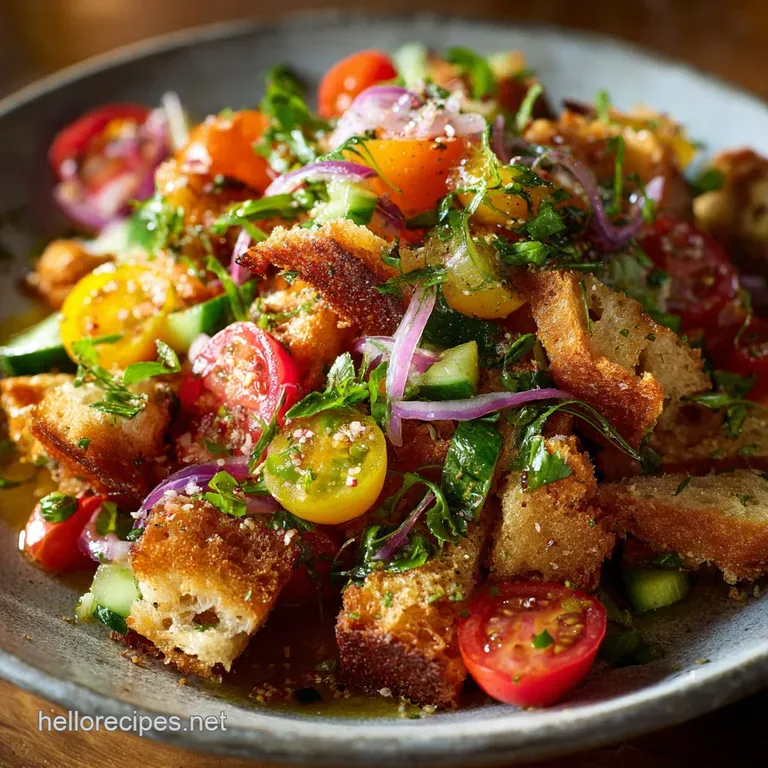
Mastering the Classic Panzanella: Tuscan Summer on a Plate
If I had to pick one dish that screams "mid and July and too hot to turn on the oven," it would be Panzanella. Forget those sad, flimsy garden salads. This is a meal . It’s robust. It’s soaked in sunshine and beautiful olive oil.
And honestly, it’s the most sophisticated way to deal with rock and hard stale bread that you forgot to freeze. I’ve been making this Panzanella recipe every summer since I first traveled to Tuscany and realized I’d been eating bread salad wrong my entire life.
The Humble Origin Story of Italy’s Favorite Bread Salad
This dish is the definition of cucina povera (peasant cooking), which, let's be real, often produces the best food on the planet. Farmers and labourers needed a filling, cooling meal that utilized scraps and didn't require heat.
Back in the day, they didn't even toast the bread; they just soaked it in water, squeezed it dry, and tossed it with garden vegetables. I mean, bless them, but we’ve upgraded things a little since the 14th century.
Our modern version, the one I’m sharing, uses a quick toast and a good dressing soak. It’s brilliant. It’s resourceful. And you get to feel terribly virtuous for not throwing away perfectly good crusts.
Why Panzanella Tastes Better Than the Sum of Its Parts
It comes down to chemistry. We are not just making a salad with croutons. We are making a dynamic food system where the starches in the bread are rehydrated by the acidic tomato water and the red wine vinegar. Think of it like a beautiful sponge that absorbs every bit of flavor.
When you salt the tomatoes early (which is my number one secret, by the way), the salt draws out the tomato juice it's essentially concentrated tomato essence. This juice combines with the olive oil and vinegar to create a perfect, natural dressing right in the bowl.
That's why quality tomatoes are non and negotiable. You can have the best bread in the world, but if your tomatoes are watery and flavorless, the whole salad collapses.
Understanding the Essential Role of Stale Bread in This Dish
Right, let’s talk bread. This is where people mess up Panzanella. I once tried to use soft Italian white bread, thinking "Oh, I'll just toast it really well." Within fifteen minutes of tossing, it had disintegrated into sad, grey mush. Weeping bread crumbs. Do not be me.
The bread needs density. It needs chew. It needs enough structure to absorb the dressing without instantly becoming a soggy mess. I’m talking about day and old sourdough or robust ciabatta. They hold their shape like little edible anchors, giving you that delightful chewy and crisp texture in every bite.
If you use fresh bread, you might as well just mix your dressing with sawdust.
Gathering the Gold: Essential Components for Authentic Flavor
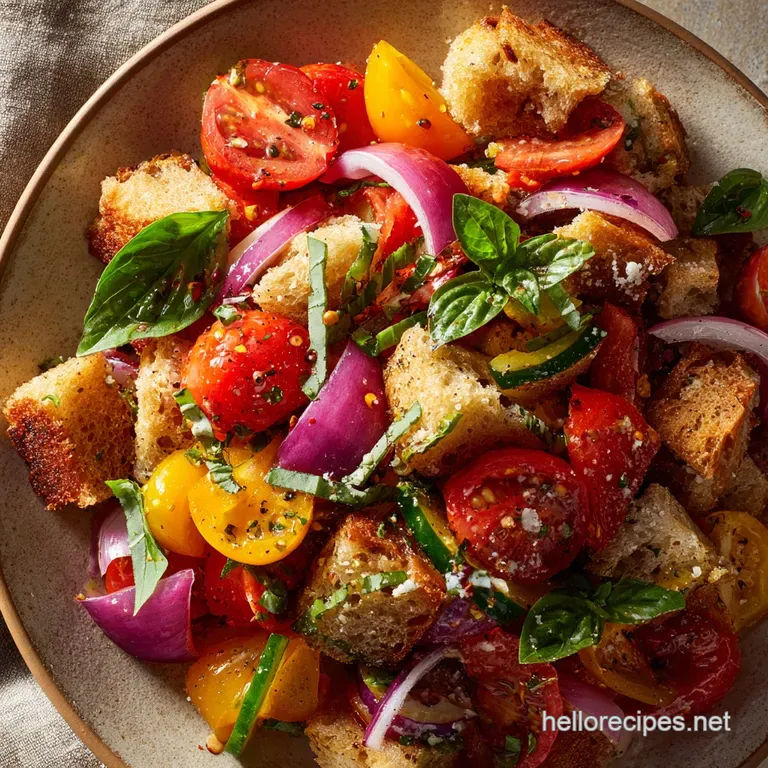
This salad is only as good as what you put into it. Since there's hardly any cooking involved, ingredient selection is 90% of the battle. Seriously, save this Panzanella recipe for tomato season.
The Produce A-Team: Selecting Peak and Season Tomatoes and Crisp Cucumbers
Are you really going to use those pale, flavorless greenhouse tomatoes that taste like water? I hope not. Wait until mid and summer when the heirlooms are bursting, the cherry tomatoes are sweet, and the San Marzano varieties feel heavy and fragrant.
I usually mix three types of tomatoes for variety in texture and flavor. Roughly chop them don't be neat.
I always deseed my cucumber. If you leave the watery middle in, you'll just thin out the dressing and risk a watery salad. We want concentrated flavor, remember? And the red onion? Slice it paper and thin, then hit it with a quick soak in cold water. That trick removes the aggressive, raw bite.
Trust me, it’s a game changer.
Defining the Perfect Day and Old Bread: Density and Crust Structure
We talked about stale bread, but let's define perfect . It must have a thick, crunchy crust and a dense crumb. Ciabatta is my go and to because of its open air pockets which soak up the juice beautifully.
We are toasting it not to make it brittle, but to lock in a protective outer shell. This shell buys us the critical time needed for the soaking step. When you toast the cubes, they should be golden on the outside but still have a bit of chew if you pinch them. If they snap, you’ve gone too far.
Kitchen Tools Required for This No and Cook Summer Salad
Honestly, you probably have everything you need. A big baking sheet for the bread. A sharp knife, obviously, for the chopping. But the most important tool? A truly enormous mixing bowl. You need space to toss the bread and vegetables gently without smashing the tomatoes, especially once the bread is soaking.
Don't crowd the bowl.
The Step and by-Step Method to Achieving Optimal Soaked Bread Texture
Preparing the Crusty Cubes: Toasting vs. Soaking Preparation
The toasting step is our insurance policy against mush. We toss the cubed stale bread with a light coat of olive oil just enough to help it crisp and bake it until golden. This is not a traditional crouton, remember. We want chewy, slightly resistant edges.
If you don't want to turn on the oven (it's 90 degrees out!), you can skip the toasting, but you absolutely must use bread that is two or three days old and rock and hard.
If you go the no and toast route, the final soaking time must be cut down significantly, maybe only 10 minutes, or you risk instant disintegration.
Creating the Zesty Red Wine Vinegar Dressing Base
I don’t make a separate, emulsified dressing for Panzanella. The magic happens in the bowl.
Crucial Warning: Do not combine the vinaigrette ingredients with the vegetables until you have salted and rested the tomatoes first. The tomato juices are the crucial liquid component, and they must be drawn out before adding the oil and vinegar.
After the tomatoes have rested for 15 minutes and you see a nice pool of pink liquid in the bottom of the bowl, that’s your cue. Now, whisk together your fantastic olive oil, the red wine vinegar (make sure it’s sharp!), a tiny pinch of sugar to balance the acidity, and the grated garlic.
Pour that straight over the juicy tomatoes and cucumbers.
The Critical 30 Minute Marination Time
We have two resting periods. The first draws out the tomato juice ( 15 minutes). The second, the 30 minute full soak, is where the bread comes into its own.
Once you’ve tossed the dressing and vegetables, fold in the toasted bread cubes. Be gentle! Now, walk away. Leave the bowl on the counter for 30 minutes. The bread needs this time to transform from a crunchy cube into a chewy, saturated piece of heaven.
If you serve it too early, the bread is still too hard. If you wait an hour, you might push it toward mush territory (depending on how crusty your bread was). Patience is required, but the payoff is magnificent.
Final Assembly and Plating Your Rustic Panzanella
Just before serving and I mean right before, within five minutes fold in your torn basil. Basil bruises easily, so tear it with your fingers rather than chopping it with a knife.
Give everything a taste test. Because the bread soaks up so much seasoning, you will almost certainly need more salt and maybe another splash of red wine vinegar to make the flavors pop. It should taste bright, salty, and utterly refreshing. Scoop it into a nice wide bowl or platter and serve it immediately.
This dish doesn't wait for anyone.
Elevating Your Bread Salad: Expert Tips and Customizations
Troubleshooting Common Panzanella Mistakes (Avoiding Soggy Results)
The fear of soggy bread haunts us all. Here is how to conquer it:
- Don't Over and Toast: The bread must retain some inner chewiness so it doesn't soak up liquid too fast.
- Don't Rush the Tomato Seasoning: If you skip salting the tomatoes early, they release their liquid slower and unevenly, which can lead to patchy soaking.
- Use the Right Bread: Soft sandwich or brioche bread is a recipe for disaster. Ciabatta or sourdough is the only way forward.
- Keep it Room Temp: This salad should never be served straight from the fridge; cold dulls the acidity and the delicate tomato flavor.
Storage Solutions: Keeping Leftovers Fresh
Here’s the blunt truth: Panzanella does not save well. It really doesn't. After about two hours, the bread gives up and moves past perfectly saturated into full and on, textureless mush.
If you absolutely must make it ahead of time, assemble everything except the bread. Store the dressed vegetables in the fridge for up to 24 hours.
When you’re ready to serve, toast your bread cubes, combine them with the vegetable mixture, and let it rest for the full 30 minutes. That's the only acceptable way to "store" this salad.
Mediterranean Variations: Adding Capers, Olives, or Proteins
I love the classic version, but sometimes you need to jazz things up.
| Variation | Flavor Profile | Tip for Addition |
|---|---|---|
| Creamy Panzanella | Rich, fresh, dairy notes | Add small, torn pieces of fresh mozzarella or burrata just before serving. |
| Tangy & Salty | Briny, intense | Add 1/2 cup of pitted Kalamata or Castelvetrano olives and a few anchovies mashed into the dressing. |
| Protein Upgrade | Hearty meal | Grill shrimp or lightly sear pieces of steak and lay them over the finished salad. |
Quick Nutritional Overview of This Summer Vegetable Dish
This Panzanella is surprisingly good for you, provided you stick to high and quality ingredients. It’s loaded with Vitamins C and A from the massive quantity of fresh tomatoes and cucumbers.
Yes, it has a fair amount of fat, but it's primarily the healthy kind from quality Extra Virgin Olive Oil, which is a key component of the Mediterranean diet. It’s a very satisfying, fibrous, and surprisingly balanced summer lunch that won't leave you feeling heavy. It's sunshine in a bowl. Now go get chopping!
Recipe FAQs
Help! My Panzanella always turns out mushy. What’s the secret to getting the bread just right?
The trick, old bean, is using proper stale, rustic bread (like ciabatta) and ensuring it’s only lightly toasted; it needs to be crisp edged but still slightly soft in the middle so it can absorb the tomato juices without disintegrating into a soggy mess.
Can I make Panzanella ahead of time for a summer garden party, or will it go horridly wrong if I leave it?
Panzanella is a dish that thrives on immediate serving once fully assembled, ideally within an hour to maintain the bread’s perfect chewy texture. For prepping ahead, chop the vegetables and make the dressing separately, combining them with the toasted bread cubes just 20-30 minutes before your guests arrive.
I love Panzanella, but how can I make this dish more of a hearty main course?
To beef it up and make it a substantial meal, try folding in grilled chicken or prawns, chunks of quality tinned tuna, or slices of crispy prosciutto just before serving; adding torn mozzarella (fior di latte) or a handful of peppery rocket (arugula) also works a treat.
Do I really need specific tomatoes for an authentic Panzanella, or will any old supermarket tomatoes do?
Absolutely not! Because Panzanella has so few components, its success relies entirely on ingredient quality, so use the ripest, most flavourful summer tomatoes you can find a mix of heirloom, cherry, and vine ripened varieties gives the best depth and sweetness.
Why do the instructions say to salt the chopped tomatoes separately before mixing in the rest of the dressing?
Salting the tomatoes early is the chef's secret step! This process draws out their intensely flavourful natural liquid, which combines with the olive oil and vinegar to create the most divine, natural dressing base for the bread to soak up during the crucial resting period.
