The Ultimate Sunday Roast Leftover Upgrade Classic Lasagna Bolognese
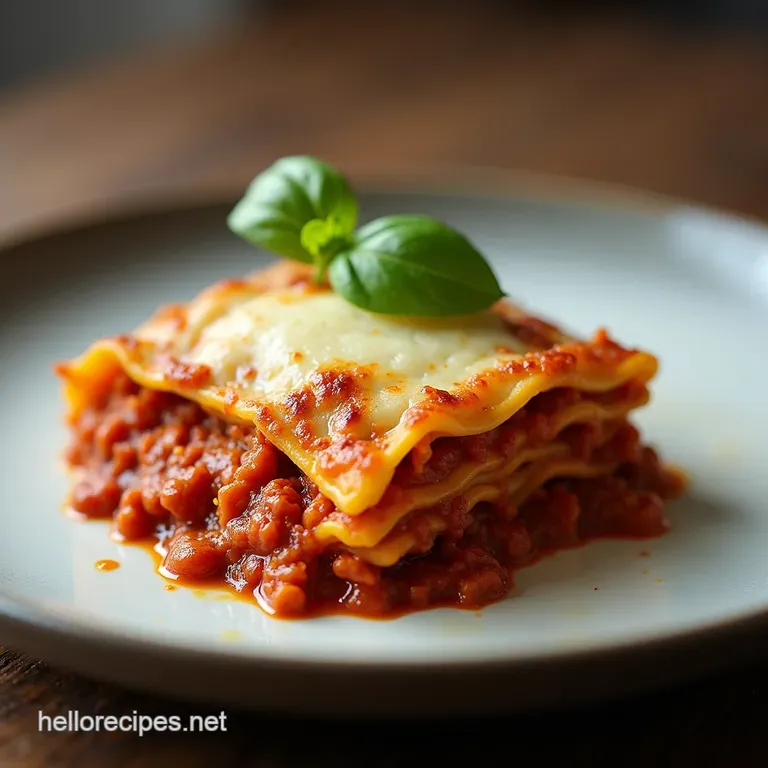
- Why This Deeply Satisfying Classic Lasagna Recipe Reigns Supreme
- Unveiling the Heart of Comfort: Our Approach to Layering Perfection
- Curating Your Components: Essential Provisions for Layers of Flavour
- The Journey to Assembly: Detailed Culinary Steps
- Elevating Your Next Batch: Pro-Tips and Smart Variations
- Recipe FAQs
- 📝 Recipe Card
Why This Deeply Satisfying Classic Lasagna Recipe Reigns Supreme
There are dishes that feed the body, and then there are dishes that feed the soul. Our Classic Lasagna Recipe falls squarely into the latter category. This isn't merely pasta layered with cheese; it is an architectural triumph of slow simmered depth, silky richness, and structural integrity.
Many believe the key lies only in the meat sauce, but a truly magnificent bake requires harmony across all components: a robust ragù, a perfectly seasoned béchamel, and the right balance of dairy.
Achieving this legendary status takes time, but the resulting flavour explosion the essence of Classic Lasagna Bolognese —is unparalleled. We are building flavour layer by flavour layer, ensuring that every forkful delivers that warm, comforting hug that only true Italian home cooking can provide.
Unveiling the Heart of Comfort: Our Approach to Layering Perfection
The secret to moving beyond a standard baked pasta dish to an authentic, magnificent Homemade Classic Lasagna lies in the intentional construction of the different elements. We reject shortcuts that sacrifice texture or depth.
Our aim is for a slice that stands proudly on the plate, not one that collapses into a pool of liquid. This is achieved by ensuring our meat sauce is thick, our béchamel is velvety smooth, and our pasta sheets provide the necessary structural scaffolding.
Setting the Scene: The Magic of Slow Cooked Ragù
The foundation of any great Lasagna with Meat Sauce is the ragù. For this recipe, we commit to a minimum of 90 minutes of gentle simmering.
This slow process allows the complex flavours of the beef, pork, wine, and aromatics to meld seamlessly, creating a sauce that is concentrated, rich, and clings beautifully to the pasta.
We use a blend of ground beef and pork to capture the fattiness required for deep, savoury notes, ensuring the final result is anything but bland.
Forget the Boxed Stuff: Achieving Structural Integrity in Your Slice
Many struggle with watery lasagna because they undercook the sauce or use fresh pasta that releases too much moisture. Our approach involves preparing a sauce that is already quite dense before baking.
On top of that,, if you are using standard lasagna sheets, ensure they are cooked al dente —slightly underdone as they will absorb significant moisture and finish cooking beautifully within the oven's heat, lending crucial stability to the final stack.
A Tribute to Tradition: The Authentic Spirit of This Dish
While regional variations abound, this Best Classic Lasagna Recipe leans toward the richness found in Northern Italian styles, favouring the luxurious mouthfeel of Lasagna with Bechamel Sauce over relying solely on heavy ricotta layers.
The béchamel provides a creamy, binding element that cushions the ragù, preventing dryness and adding a subtle sweetness punctuated by fresh nutmeg. This combination separates a merely good dish from an utterly unforgettable experience.
Related Recipes Worth Trying
- Classic Crumb Marble Muffins Recipe Moist Swirled — Learn how to bake the best moist Marble Muffins using this foolproof easy recipe Get that perfect chocolate swirl every time Baking Tips inside
- The Best Sunday Roast Classic Gravy Recipe Rich Velvety — Learn how to make rich velvety classic gravy that never fails Perfect for your Sunday Roast Dinner Get the foolproof technique for lumpfree results
- The Stovetop Hug Classic French Onion Soup Recipe — Forget rushed broth This homemade French Onion Soup recipe guarantees deeply caramelized onions for soulful flavour Get the best French Onion Soup cheese...
Curating Your Components: Essential Provisions for Layers of Flavour
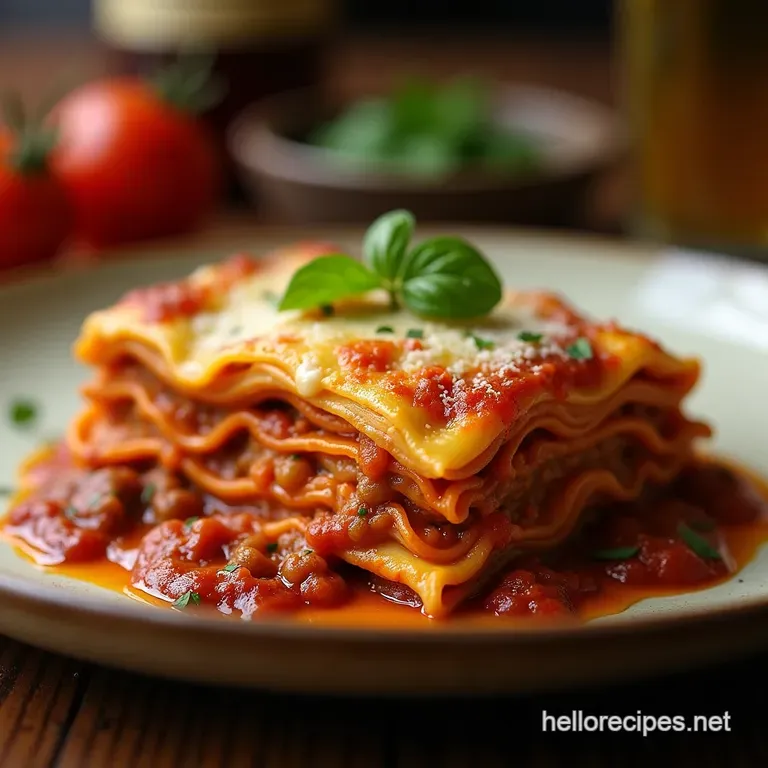
To embark on making this masterpiece, meticulous preparation of your ingredients is key. Having everything ready your mise en place —is particularly important when assembling, as timing matters less once the sauces are finished cooking.
Mastering the Trinity: Meat, Sauce Base, and Dairy Components
We rely on three distinct building blocks: the deeply savoury ragù, the silken béchamel, and a blend of cheeses to provide tang and melt. For the meat base, a combination of 80/20 ground beef and ground pork yields the best flavour-to-fat ratio.
For the dairy, a high-quality, whole milk ricotta forms the creamy pockets in our Ricotta Cheese Lasagna Recipe , complementing the smooth béchamel. Crucially, use freshly grated Parmigiano Reggiano; the pre-grated varieties often contain anti caking agents that prevent a truly glorious, melted crust.
Essential Hardware: Tools Needed to Assemble Your Masterpiece
While the ingredient list is manageable, the right equipment ensures ease. A large, heavy bottomed Dutch oven is vital for building the ragù, allowing for even heat distribution during that essential long simmer.
A quality whisk is indispensable when crafting the béchamel, as smooth incorporation of the milk is the only path to avoiding lumps. Finally, a standard 9x13 inch deep baking dish is the perfect vessel for achieving the ideal proportion of layers to overall height.
Precise Proportions: Metric and Imperial Component Breakdown
Successfully constructing this dish relies on balanced ratios. You will need approximately 1.5 lbs (675g) total of ground meat for the ragù, which is balanced by a full 28-ounce can of crushed tomatoes.
The béchamel demands equal parts by weight of butter and flour (a roux ), typically around 4 tablespoons each, lightened by 4 cups of whole milk. This precise weighting of fat, flour, and liquid ensures a sauce thick enough to bind without becoming gluey once baked.
The Journey to Assembly: Detailed Culinary Steps
Once your individual sauces are prepared, the process shifts from slow cooking to focused construction. This is where patience pays off, as the order and application of each layer dictate the final texture and presentation.
Phase One: Developing Depth in the Rich Meat Sauce (Ragù)
The journey begins by building the soffritto —finely diced onion, carrot, and celery sautéed until soft, followed by the garlic. We then introduce the ground meats, browning them thoroughly to develop deep Maillard reactions.
The introduction of a full cup of dry red wine is non-negotiable; allowing this to reduce by half concentrates its flavour, providing the essential acidic backbone before the tomatoes and stock are added. Remember, this mixture must bubble gently, covered partially, for at least 90 minutes.
Taste and adjust seasoning only after this long simmer, as the liquid reduction concentrates the saltiness.
Crafting the Silken Béchamel: Avoiding Lumps at All Costs
The béchamel requires attention but rewards consistency. Melt the butter, whisk in the flour to form a smooth paste (the roux), and cook for two minutes to eliminate the raw flour taste.
The critical step here is adding the milk warmed milk prevents shocking the roux gradually, whisking vigorously until the mixture thickens to coat the back of a spoon. A pinch of freshly grated nutmeg cuts through the richness, transforming simple white sauce into the luxurious component that defines an authentic Classic Lasagna Bolognese .
The Artful Arrangement: Sequence for Layering the Pasta Sheets
Assembly starts with a thin base layer of ragù in the baking dish; this prevents the bottom pasta layer from seizing up against the hot ceramic. The standard, highly effective sequence follows: Pasta, Ragù, a light scattering of Ricotta, a generous drizzle of Béchamel, and a sprinkle of Mozzarella/Parmesan.
Repeat this progression twice more. The final layer must be pasta, topped entirely with the remaining béchamel and crowned with a generous blanket of mozzarella and parmesan this forms the golden, irresistible crust.
Baking Protocol: Achieving Golden Brown Perfection and Resting Time
To ensure the pasta cooks through evenly without drying out the layers, always cover the assembled dish tightly with foil for the initial bake time at 375° F ( 190° C).
After 30 minutes, remove the foil to allow the cheese topping to bubble and brown for the remaining 15 to 20 minutes. The most challenging, yet most important, instruction: allow the Classic Lasagna to rest for at least 20 minutes post oven.
This allows the molten layers to re-coagulate and set, ensuring clean, beautiful slices.
Elevating Your Next Batch: Pro-Tips and Smart Variations
Even the most traditional recipes have room for refinement based on your preferences and pantry stock. Smart adjustments can take this dish from excellent to legendary.
Troubleshooting Common Lasagna Pitfalls
The most frequent complaint is a soupy final product. This is almost always due to an under reduced ragù or failure to rest the lasagna. If your ragù seems thin, remove the lid for the last 30 minutes of simmering time to allow excess water to evaporate.
If you find your ricotta is watery, drain it in a sieve lined with cheesecloth for an hour before use.
Herbaceous Twists: Customizing Your Filling Components
While the provided recipe is classic, adding fresh herbs elevates complexity. Stirring finely chopped fresh basil or oregano into the ragù during the last stage of cooking infuses a brighter, fresher aroma.
Alternatively, adding a tablespoon of finely minced fresh rosemary to the meat when browning introduces an earthy, woodsy note that pairs wonderfully with beef.
Making Ahead: Successfully Preparing This Classic Lasagna for Tomorrow
This is perhaps the ultimate make-ahead meal. You can fully assemble the entire Classic Lasagna dish, cover it tightly with plastic wrap, and refrigerate for up to 24 hours.
When ready to bake, pull it from the fridge, let it sit on the counter for 30 minutes to take the chill off, then proceed with the baking protocol, perhaps adding an extra 10- 15 minutes to the covered baking time.
Pairing Suggestions: The Ideal Wine and Side Dish Companions
To complement the richness of the meat and dairy, you need a wine with good acidity to cut through the fat. A medium bodied Italian red, such as a Barbera or the aforementioned Chianti, works beautifully. On the side, keep it simple.
A lightly dressed arugula salad provides a peppery contrast, or serve with crusty Italian bread for soaking up any residual sauce a perfect companion to this satisfying Italian staple.

Recipe FAQs
Can I make the ragù for this Classic Lasagna ahead of time? It seems like the best part!
Absolutely, and in fact, I highly recommend it! The ragù tastes even better the next day once the flavours have really had a chance to meld together it’s like a good pub quiz team, better when cohesive. Make it a day or two in advance, store it in the fridge, and just reheat gently before layering.
My béchamel sauce keeps going lumpy. Am I doing something wrong, or is it just me being clumsy?
Don’t fret, it happens to the best of us! The trick is to add your warm milk to the roux (butter/flour mix) very gradually while whisking vigorously, almost like you're being chased by a swarm of wasps.
If it still lumps, take it off the heat, grab a stick blender, and blitz it for 10 seconds it’ll be smoother than a politician’s promise in no time.
How long can I safely store the assembled, unbaked lasagna in the fridge?
You can assemble your Classic Lasagna up to 24 hours ahead of time, cover it tightly with foil, and keep it in the fridge. When you’re ready to bake, you might need to add an extra 10-15 minutes to the covered baking time since it will be starting cold, rather than chilled.
I hate waiting! Can I skip the resting time after it comes out of the oven?
Oh, I know the feeling it smells absolutely gorgeous, and you want to dive right in like it’s the last biscuit in the tin! However, skipping the 15-20 minute rest is a rookie error; the structure needs time to set up. If you cut it straight away, it will collapse into a delicious but messy puddle.
Patience is a virtue, especially with good Italian food!
Is it possible to freeze leftovers, and what’s the best way to reheat them?
Yes, lasagna freezes brilliantly, making it perfect for future quick meals. Cool any leftovers completely first, wrap tightly in cling film and then foil, and freeze for up to three months.
To reheat, the best method is to thaw it overnight in the fridge, then bake, covered, at 350°F (175°C) until piping hot throughout.
I’m trying to keep this lighter. Can I use lower fat meat or cheeses without ruining the flavour?
You certainly can, though a bit of fat is where the flavour lives! For the meat, use 90/10 beef instead of 80/20, but make sure you drain that fat thoroughly after browning. For the cheese, use a good quality, sharp Parmesan, as the stronger flavour means you can use slightly less overall mozzarella without missing that punch.
Classic Lasagna Bolognese
Instructions:
Nutrition Facts:
| Calories | 600 Cal |
|---|---|
| Fat | 30g |
| Fiber | 4g |
