Homemade Lasagna: Meat and Ricotta Layers
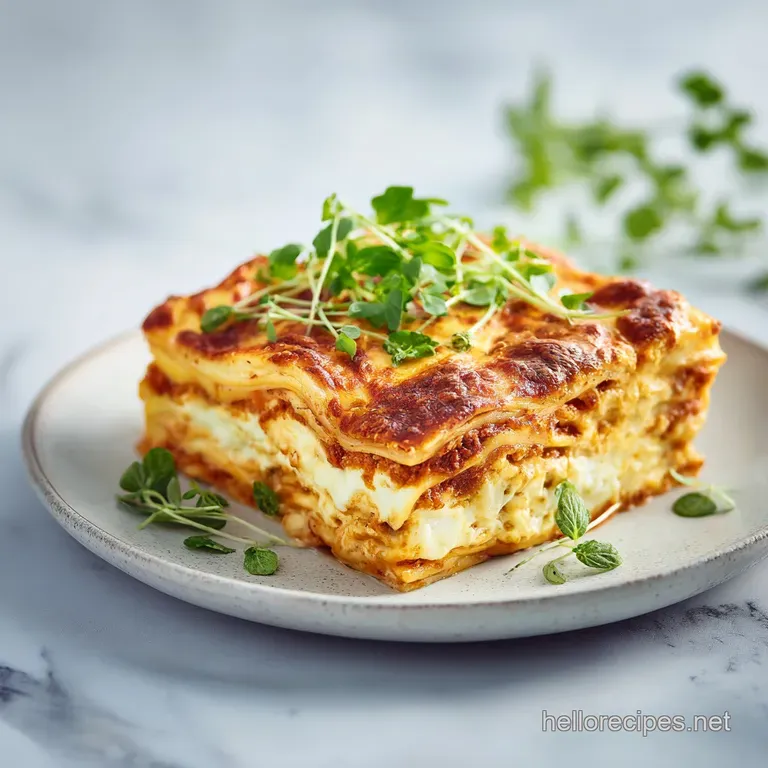
- Time:30 minutes prep + 90 minutes cook = 135 minutes total
- Flavor/Texture Hook: Silky, melt in-your mouth cheese layers against a robust, meaty ragu
- Perfect for: Big family Sundays, meal prep, or when you need a high protein comfort win
- Make-Ahead: Assemble fully and refrigerate up to 24 hours before baking
- The Secret Strategy for Building a Structural Lasagna
- Why the Layers Stay Firm and Separate
- Ingredient Deep Dive and Component Roles
- Everything You Need for This Italian Feast
- Essential Tools for a Smooth Build
- Step-by-Step Construction of the Perfect Lasagna
- Banishing the Common Pitfalls
- Adjusting for Crowds or Intimate Dinners
- Smart Swaps for Every Palate
- Debunking the Kitchen Lore
- Make-Ahead and Leftover Management
- The Perfect Complements for a Vibrant Table
- Very High in Sodium
- Recipe FAQs
- 📝 Recipe Card
The Secret Strategy for Building a Structural Lasagna
The kitchen is currently a haze of garlic scented steam and the rhythmic thwack thwack of my wooden spoon hitting the bottom of a heavy Dutch oven. There is a specific sound a low, thick bubbling that tells me the sauce has finally reached that concentrated, jammy stage where the water has evaporated and the flavor has moved into the "life changing" territory.
I remember the first time I tried to make this for a group of friends back in my tiny apartment; I was so excited that I sliced it the second it came out of the oven. It was a delicious, soupy disaster that slid across the plate like a red sauce avalanche.
I learned the hard way that the magic of this dish isn't just in the ingredients, but in the patience of the rest.
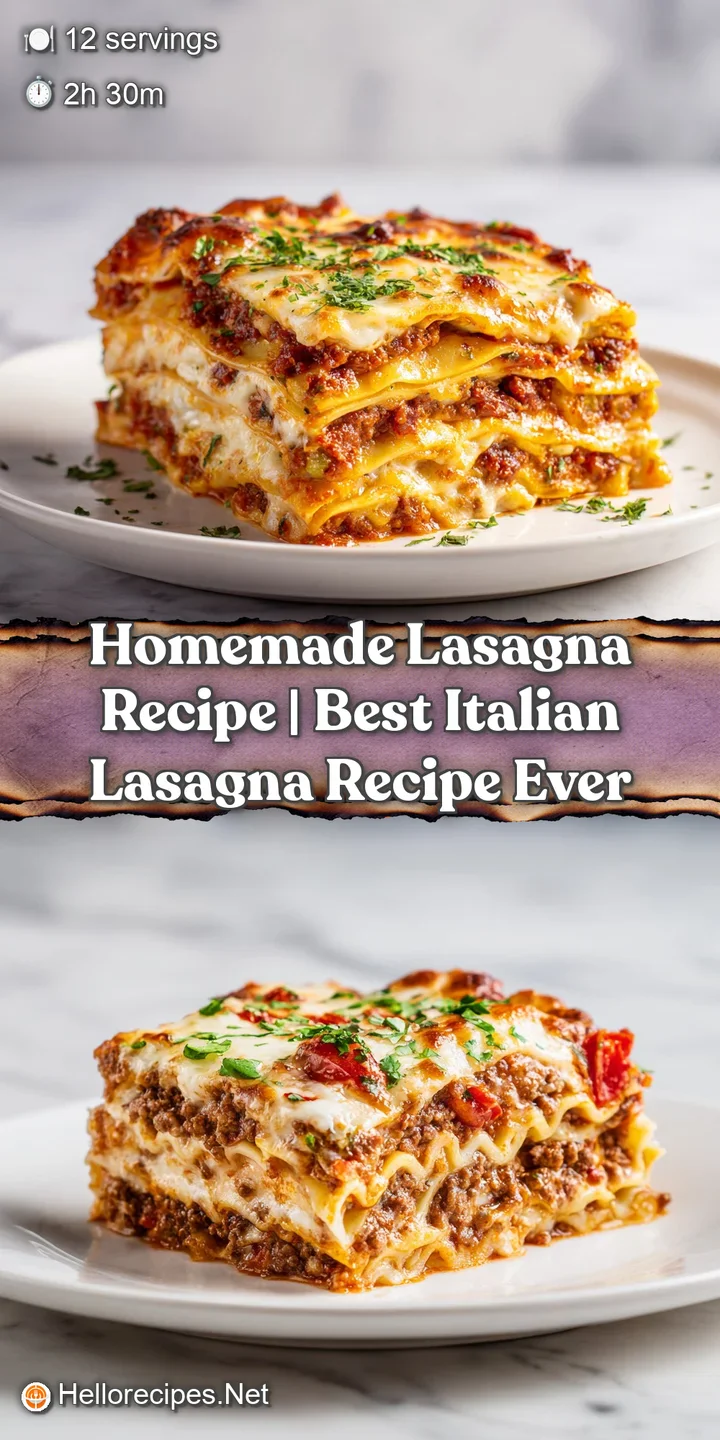
We are going for a vibe that is purely vibrant and comforting, merging that classic Italian American soul with techniques that actually keep the layers distinct. When you pull this out of the oven, the mozzarella should be doing that gorgeous "sizzle and pop" dance, with the edges of the noodles turning just crispy enough to provide a tiny bit of shatter.
It’s about the contrast: the velvety ricotta against the chunky, savory meat sauce, and the bright hit of fresh parsley cutting through all that rich, molten cheese. This is the worlds best lasagna because it doesn't take shortcuts on the sauce, and it treats the assembly like an architectural project.
I’ve realized over the years that people get intimidated by the number of pots and pans, but honestly, it’s all about the rhythm. You get the sauce going, and while that’s doing its thing, you prep the cheese. By the time the sauce is thick and glossy, you’re ready to layer.
We aren't just making dinner here; we are building a multi story monument to comfort food. Let’s get into why this specific method works so well to prevent that dreaded "noodle slide" and how to make sure your kitchen smells like a high end trattoria by the time the timer dings.
Why the Layers Stay Firm and Separate
Protein Scaffolding: Adding a beaten egg to the ricotta creates a structural binder that solidifies as it heats, preventing the cheese from leaking moisture into the sauce.
Starch Management: Par cooking the noodles allows them to remain thirsty enough to soak up excess liquid from the sauce during the long bake without becoming mushy.
The Reduction Factor: Simmering the ragu for 45 minutes evaporates the "loose" water in the tomatoes, ensuring the sauce is thick enough to support the weight of the cheese layers.
Caramelization Depth: Toasting the tomato paste directly in the meat fat transforms its raw acidity into a mellow, sweet foundation that anchors the entire flavor profile.
Precision Checkpoints for Structural Integrity
| Layer Thickness | Internal Temp | Rest Time | Visual Finished Cue |
|---|---|---|---|
| 3 full layers | 165°F (74°C) | 15 minutes | Deep golden brown cheese bubbles |
| 4 partial layers | 160°F (71°C) | 10 minutes | Sauce no longer pooling at edges |
| 5 thin layers | 170°F (77°C) | 20 minutes | Firm "set" when pressed with a spoon |
There is a huge difference between a stovetop "lasagna style" pasta and this oven baked masterpiece. While a stovetop version is great for a fast Tuesday, the oven provides a 360 degree dry heat that creates those iconic crispy edges and allows the flavors to truly fuse through a process of slow dehydration and concentration.
Ingredient Deep Dive and Component Roles
| Ingredient | Component Role | Pro Secret |
|---|---|---|
| Tomato Paste | Flavor Anchor | Toast it for 2 minutes until it turns a dark rust color to unlock hidden sweetness. |
| Fennel Seeds | Aromatic Bridge | Crush them slightly between your palms to release the oils before adding them to the pot. |
| Ricotta Cheese | Creamy Foundation | Use whole milk versions only; low-fat yields a grainy, watery texture that ruins the mouthfeel. |
| Beef Stock | Umami Booster | Use this to deglaze the pan and scrape up every single brown bit (fond) from the meat. |
Choosing the right components is half the battle when you're aiming for that vibrant, multicultural flavor profile that makes a dish pop. The Italian sausage provides a spicy, herbal kick that plain ground beef just can't manage on its own, while the beef stock adds a layer of "browned" depth that makes the sauce taste like it's been simmering for three days instead of 45 minutes.
Everything You Need for This Italian Feast
- 1 lb lean ground beef (85/15): Provides the meaty bulk without making the dish excessively greasy. Why this? Lean beef ensures the sauce stays thick and doesn't separate into oil pools.
- Sub: Ground turkey (90/10) for a lighter, though slightly less rich, alternative.
- 1 lb Italian sausage, casings removed: Adds essential fat, heat, and herb notes. Why this? The fennel and pepper in sausage provide a built in seasoning profile.
- Sub: Bulk pork sausage with 1 tsp extra fennel seeds.
- 1 large white onion, finely diced: The base of our aromatics.
- Sub: Yellow onion or 2 large shallots for a milder sweetness.
- 4 cloves garlic, minced: Essential for that classic aroma.
- Sub: 1 tsp garlic powder, but fresh is infinitely more vibrant.
- 1 can (28 oz) crushed tomatoes: The body of our sauce.
- Sub: Whole peeled tomatoes that you crush by hand for a chunkier texture.
- 2 cans (6 oz each) tomato paste: For thickness and concentrated flavor.
- Sub: Tomato purée, but you'll need to simmer it 20 minutes longer.
- 2 cans (15 oz each) tomato sauce: Adds smoothness to the ragu.
- Sub: Passata for a more refined, silky finish.
- 1/2 cup beef stock: For deglazing and depth.
- Sub: Dry red wine (like Chianti) to add a sophisticated acidity.
- 30 oz whole milk ricotta cheese: The heart of the white layers.
- Sub: Cottage cheese (drained) for a higher protein, tangier twist.
- 1 large egg, beaten: Our structural binder.
- Sub: 2 tbsp heavy cream (won't set as firmly, but adds richness).
- 1.5 lbs low moisture mozzarella cheese, shredded: For that iconic cheese pull.
- Sub: Provolone for a sharper, more piquant melt.
- 1 lb lasagna noodles: The "bones" of our build.
- Sub: No boil noodles (increase sauce by 1/2 cup to compensate).
- Pantry Staples: 2 tbsp white sugar, 1.5 tsp dried basil, 1 tsp fennel seeds, 1/2 cup parmesan, 2 tbsp parsley, 1/2 tsp salt, 1/2 tsp dried oregano.
Essential Tools for a Smooth Build
You don't need a professional kitchen, but a 9x13-inch deep dish pan is non negotiable here. A standard baking dish is often too shallow, leading to sauce bubbling over the sides and making a smoky mess of your oven floor. I always place my pan on a larger rimmed baking sheet just in case.
A heavy bottomed Dutch oven (like a Le Creuset or Lodge) is your best friend for the sauce. It holds heat evenly, which is crucial when you're simmering a thick tomato mixture for 45 minutes.
You'll also want a sturdy whisk for the ricotta mixture to ensure the egg and parmesan are fully integrated without leaving any pockets of plain cheese.
step-by-step Construction of the Perfect Lasagna
- Brown the meats. Place the ground beef and Italian sausage in your Dutch oven over medium high heat. Cook 8-10 mins until a deep brown crust forms.Note: This crust is where the flavor lives, so don't rush the browning.
- Sauté aromatics. Drain all but 2 tablespoons of fat. Stir in the diced onion and garlic. Sauté 5 mins until the onions are translucent and fragrant.
- Toast the paste. Push the meat to the sides and add the tomato paste to the center. Cook 2 mins until the paste smells slightly sweet and darkens.
- Deglaze the pot. Pour in the beef stock and use a wooden spoon to scrape every bit of browned meat from the bottom.
- Simmer the ragu. Stir in crushed tomatoes, tomato sauce, sugar, basil, and fennel. Simmer uncovered on low for 45 minutes.
- Mix the cheese. While the sauce bubbles, whisk the ricotta, egg, parmesan, parsley, and salt in a bowl. Refrigerate for at least 30 mins to set.
- Prep the noodles. Par cook noodles in boiling water for 6 minutes (they should be firm). Drain and lay them flat on parchment paper.
- Begin the assembly. Spread 1.5 cups of sauce in the pan. Layer 4-5 noodles, then 1/3 of the ricotta, 1/3 of the mozzarella, and another 1.5 cups of sauce.
- Complete the layers. Repeat the pattern twice more. For the top, cover the final noodles with the remaining sauce and the rest of the mozzarella. Sprinkle with oregano.
- Bake and rest. Cover with oiled foil. Bake at 375°F (190°C) for 25 mins covered, then 15 mins uncovered until bubbling. Let it rest for 15 minutes before you even think about slicing.
Banishing the Common Pitfalls
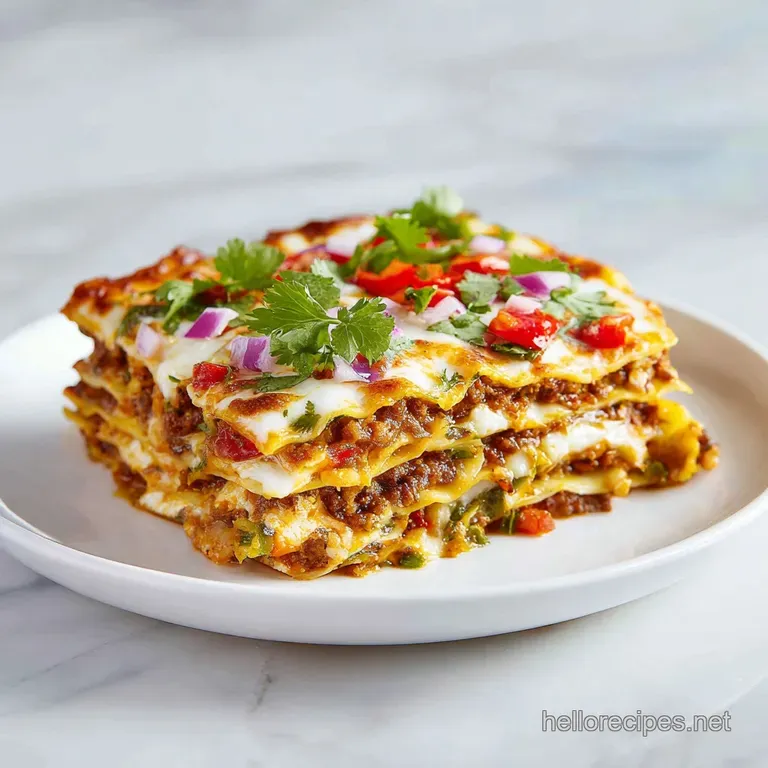
Why Your Lasagna is Watery
If you find a puddle at the bottom of your dish, it's usually because the sauce wasn't reduced enough or the ricotta was too wet. If you are using a brand of ricotta that looks particularly milky, let it drain in a fine mesh sieve for 20 minutes before mixing.
Another culprit is the noodles; if they are dripping wet when you layer them, they add unwanted moisture. Pat them dry with a clean kitchen towel!
Preventing Rubbery Noodles
Rubbery or tough noodles happen when they aren't fully submerged in sauce. The sauce acts as the cooking liquid during the bake. Make sure you spread that sauce all the way to the very edge of the pan, covering the "shoulders" of the noodles.
If you're using no boil noodles, this is even more critical if they see air, they turn into cardboard.
| Problem | Root Cause | Solution |
|---|---|---|
| Cheese slides off top | Sliced too early | Wait the full 15 mins for the matrix to cool and set. |
| Bottom layer sticks | Not enough sauce base | Start with a generous 1.5 cups of sauce before the first noodle. |
| Top is burnt/dry | Exposed to air too long | Keep foil tightly sealed for the first 25 mins of baking. |
Chef Tip: If you really want that vibrant, fusion feel, add a tiny pinch of red pepper flakes to the meat sauce. It doesn't make it "hot," but it wakes up the sweetness of the tomatoes in a way that’s totally addictive.
Common Mistakes Checklist
- ✓ Never skip draining the fat; too much grease will prevent the sauce from emulsifying with the cheese.
- ✓ Don't use "fresh" mozzarella for the internal layers it has too much water content. Stick to low moisture shredded.
- ✓ Preheat your oven for at least 20 minutes to ensure the heat is stable before the pan goes in.
- ✓ Oil the underside of your foil; otherwise, it will rip that beautiful top layer of cheese right off when you remove it.
Adjusting for Crowds or Intimate Dinners
Scaling a classic italian lasagna recipe is relatively straightforward as long as you respect the pan size. If you want to halve this recipe, use an 8x8-inch square pan. You’ll only need about 6-7 noodles total.
The cook time will stay roughly the same because the thickness of the layers remains consistent, but start checking for doneness about 5 minutes earlier.
When doubling the recipe for a party, it’s best to use two separate 9x13 pans rather than trying to find one massive dish. This ensures the center of the lasagna cooks at the same rate as the edges. If you're looking for a faster version for a smaller crowd, you might check out a quick lasagna recipe which streamlines the sauce making process while keeping that cheesy core intact.
Smart Swaps for Every Palate
| Premium Ingredient | Budget Alternative | Flavor Impact | Savings |
|---|---|---|---|
| Fresh Parmigiano Reggiano | Canned Parmesan | Less nutty, saltier finish | Save $7-10 |
| Italian Sausage | Ground Pork + Spices | Needs extra salt/fennel/pepper | Save $3-5 |
| Beef Stock | Water + Bouillon Cube | Slightly more salt forward | Save $2-4 |
If you're looking to deviate from the red sauce path entirely, you can transition this structure into a white lasagna by swapping the meat sauce for a rich béchamel and adding spinach. The physics of the layering remains the same, but the flavor profile shifts to something much more delicate and earthy.
Debunking the Kitchen Lore
Myth: You must boil noodles until they are soft. Actually, if you boil them until they are "ready to eat," they will turn into mush during the 90 minute bake. Par boiling for just 6 minutes leaves them with "snap," which allows them to absorb the flavors of the ragu while maintaining a pasta like bite.
Myth: Sugar in sauce is a "cheat." Adding a small amount of white sugar isn't about making the sauce sweet; it’s about balancing the metallic acidity found in canned tomatoes. It rounds out the flavor profile and makes the savory notes of the meat pop.
make-ahead and Leftover Management
Lasagna is actually better on day two. The flavors have time to fully migrate, and the structure becomes much more stable. You can keep leftovers in the fridge for up to 4 days. When reheating, add a tablespoon of water to the plate and cover it with a damp paper towel to keep the cheese from becoming leathery in the microwave.
For freezing, I recommend freezing the lasagna before baking. Wrap the assembled pan in a double layer of plastic wrap and then a layer of heavy duty foil. It will stay fresh for up to 3 months. To bake from frozen, simply add 20 minutes to the "covered" portion of the bake time.
For zero waste, if you have leftover meat sauce, it makes an incredible base for a quick Bolognese the next night just toss it with some rigatoni and a splash of pasta water.
The Perfect Complements for a Vibrant Table
Since this dish is so rich and "heavy" in terms of calories and fat, you really want to pair it with something bright and acidic. A simple arugula salad with a lemon truffle vinaigrette works wonders. The peppery bite of the greens cuts right through the mozzarella.
If you're going for a full multicultural feast, a side of roasted broccoli with toasted garlic and a squeeze of lime can add a fresh, crunchy contrast that cleanses the palate between bites of the cheesy homemade lasagna with ricotta.
Don't forget a crusty loaf of bread to swipe up every last drop of that long simmered sauce it’s the best part!
Very High in Sodium
1190 mg of sodium (52% of daily value)
The American Heart Association recommends limiting sodium intake to less than 2,300mg per day, with an ideal limit of no more than 1,500mg per day for most adults.
Tips to Reduce Sodium in Your Lasagna
-
Choose Low-Sodium Italian Sausage-25%
Replace regular Italian sausage with a low-sodium version. This significantly cuts down on hidden sodium from processed meats.
-
Opt for Low-Sodium Canned Tomatoes and Sauces-20%
Switch to no-salt added or low-sodium versions of crushed tomatoes, tomato paste, and tomato sauce. Canned tomatoes and sauces are major contributors to sodium.
-
Use Low-Sodium Beef Stock-30%
Substitute regular beef stock with a low-sodium or no-salt added variety. Broth can contain a surprising amount of sodium.
-
Reduce Parmesan Cheese-15%
Lower the amount of freshly grated Parmesan cheese used, or opt for a reduced sodium version. Parmesan is naturally high in sodium.
-
Omit Added Salt-25%
Remove the 1/2 teaspoon of added salt from the recipe. The sausage and cheeses already provide significant saltiness.
-
Boost Flavor with Herbs and Spices
Emphasize the use of dried basil, fennel seeds, and dried oregano, and consider adding fresh garlic and parsley. These ingredients add depth of flavor without adding sodium.
Recipe FAQs
What is the secret to a good lasagna?
The secret is the Maillard reaction achieved during the initial meat browning. Brown the ground beef and Italian sausage in a Dutch oven until a deep crust develops, which builds a complex flavor base that permeates the entire dish.
Can a diabetic have lasagna?
Yes, but portion control and vegetable density are key. If you need a lower carbohydrate alternative that still provides that satisfying cheesy texture, try our Crock Pot Low Carb Lasagna to replace the starch heavy pasta sheets.
Where to eat the best lasagna in the world?
The absolute best version is the one prepared in your own home. By controlling the quality of the ricotta matrix and ensuring the lasagna rests for 15 minutes before slicing, you achieve a structure and flavor profile that restaurant versions often sacrifice for speed.
Is lasagna good for heart patients?
No, standard lasagna is generally high in saturated fats and sodium. You can mitigate these concerns by using lean ground beef, ensuring you drain all but 2 tablespoons of fat during the browning process, and opting for part skim ricotta if available.
How to prevent the top layer of cheese from sticking to the foil?
Lightly coat the underside of your aluminum foil with oil before covering the pan. This simple physical barrier prevents the melted mozzarella from adhering to the foil, keeping your final presentation intact when you remove it for the final browning stage.
How to achieve distinct, clean layers when serving?
Allow the assembled pan to rest for exactly 15 minutes after exiting the oven. This mandatory wait time allows the egg-enriched ricotta mixture to fully set, forming a stable matrix that holds its shape when you cut through the layers.
How to handle lasagna noodles so they do not become mushy?
Par-cook or cold soak the noodles only until they are pliable but retain a firm bite. By stopping the cooking process early, you leave enough structural integrity in the pasta to absorb the moisture from the sauce during the 90-minute bake without turning into a soft paste.
Classic Homemade Meat Lasagna
Ingredients:
Instructions:
Nutrition Facts:
| Calories | 636 kcal |
|---|---|
| Protein | 42.1 g |
| Fat | 36.8 g |
| Carbs | 43.5 g |
| Fiber | 3.9 g |
| Sugar | 8.4 g |
| Sodium | 1190 mg |
