Basic Muffin Recipe: Tall and Velvety

- Time: Active 15 minutes, Passive 20 minutes, Total 35 minutes
- Flavor/Texture Hook: Velvety interior with a slight crust shatter
- Perfect for: Busy mornings, meal prep, or beginner bakers
- Create a simple basic muffin recipe today
- How the tops get tall
- Detailed component analysis for baking
- Essential items for your kitchen
- Precise steps for baking success
- Troubleshooting your muffin texture issues
- Smarter budget swaps and variations
- Adjusting the batch size easily
- Muffin assumptions we need to drop
- Storage and reducing kitchen waste
- Tasty sides for your muffins
- Recipe FAQs
- 📝 Recipe Card
Create a simple basic muffin recipe today
You have probably been told a hundred times that butter is the absolute king of the kitchen, but when it comes to a basic muffin recipe, butter is actually the enemy of moisture. I spent way too long wondering why my muffins turned into dry little rocks the next day, only to realize that vegetable oil keeps the crumb softer for much longer.
Butter tastes great, sure, but it solidifies at room temperature, while oil stays liquid, giving you that velvety texture we all want.
Forget everything you know about making a perfectly smooth batter, too. If you are looking at a bowl of muffin batter and it looks smooth and beautiful, you have already messed it up. Real muffins need to be lumpy, slightly ugly, and barely mixed.
It feels wrong when you are doing it, but trust me, those lumps are exactly what prevent your breakfast from turning into a tough, rubbery hockey puck.
We are going to use a simple two bowl method that saves time and keeps the dishes to a minimum. We will whisk the dry stuff, emulsify the wet stuff, and bring them together in about thirty seconds.
It is fast, it is cheap, and it works every single time because we are focusing on the physical way the ingredients interact rather than just throwing them in a bowl and hoping for the best.
How the tops get tall
Thermal Expansion: Starting the oven at 425°F causes the moisture in the batter to turn to steam instantly, forcing the top to puff up before the edges set.
Starch Support: The high heat quickly sets the outer structure of the muffin, creating a "frame" that supports the weight of the rising center.
Minimal Friction: Leaving the batter lumpy means the gluten hasn't formed a tight web, allowing the air bubbles to expand easily without being held down.
The way we handle the heat is the biggest secret in the baking world. Most people bake everything at 350°F because that is what the back of the box says, but that low heat doesn't give the leavening agents the "kick" they need.
By the time the middle of the muffin wants to rise at 350°F, the top has often already started to crust over, leading to a flat or sunken top. We want that initial burst of energy to create the height first, then we let the residual heat finish the job.
| Method | Time | Texture | Best For |
|---|---|---|---|
| Stovetop (Steamed) | 25 minutes | Dense, pudding like, no crust | Humid climates, no oven access |
| Conventional Oven | 20 minutes | Tall domes, crispy edges, soft core | Standard bakery results |
Choosing the right method depends on what you have available, but the oven is the gold standard for that specific "shatter" on the top crust. When you use the oven, the dry heat evaporates the surface moisture, which is what gives you that contrast between the golden exterior and the soft middle.
If you tried to do this on a stovetop in a covered pot, you would get something more like a steamed bun still good, but not a classic muffin.
Detailed component analysis for baking
| Ingredient | Science Role | Pro Secret |
|---|---|---|
| All purpose flour (250g) | Structural foundation | Weigh it with a scale to avoid packing too much into a measuring cup. |
| Baking powder (1 tbsp) | Chemical aeration | Check the expiration by dropping a bit in hot water; it should fizz immediately. |
| Neutral oil (80ml) | Moisture retention | Use grapeseed or canola to keep the flavor profile clean and the crumb soft. |
Understanding these three components is the difference between a "fine" muffin and one people actually ask for the recipe for. The flour provides the protein that holds everything together, but the baking powder is the engine.
Because this basic muffin recipe doesn't rely on yeast, that tablespoon of powder has to do a lot of heavy lifting. If it’s old, your muffins will stay flat and sad.
Essential items for your kitchen
You don't need a fancy stand mixer for this, and honestly, using one would probably ruin the texture by overworking the batter. I use a simple large glass bowl for the dry ingredients and a smaller pyrex or ceramic bowl for the wet ones.
A sturdy silicone spatula is your best friend here because it allows you to scrape the bottom of the bowl without being as aggressive as a metal spoon or a whisk.
A standard 12 cup muffin tin is necessary, and while you can grease it with butter, I prefer paper liners for the easiest cleanup. If you do go the grease route, make sure you get the very top of the tin as well.
When these muffins rise and spill over the edges slightly to create that "muffin top," they will stick to the metal if it isn't greased. I learned that the hard way after losing half of a batch to a stubborn tin.
Precise steps for baking success
- Preheat your oven to 425°F (218°C). Note: This high heat is the only way to get that professional rise.
- Line your 12 cup tin with paper liners or grease it heavily with butter.
- Whisk the 250g flour, 150g sugar, 1 tablespoon baking powder, and 0.5 teaspoon salt in a large bowl for 30 seconds. Note: This aerates the flour and ensures no clumps of baking powder are left behind.
- In another bowl, vigorously whisk the 1 large egg, 180ml milk, 80ml oil, and 1 teaspoon vanilla extract. Wait until no oil streaks remain.
- Create a hole in the center of your dry ingredients and pour the liquid emulsion in all at once.
- Use your spatula to fold the mixture exactly 10 to 12 times. Stop as soon as the flour disappears.
- Divide the thick, lumpy batter evenly among the 12 cups. Fill them nearly to the top.
- Bake at 425°F for 20 minutes until the tops are golden and a toothpick comes out clean.
- Let them sit in the hot tin for exactly 5 minutes before moving them to a wire rack.
Troubleshooting your muffin texture issues
Why Your Muffins Have Tunnels
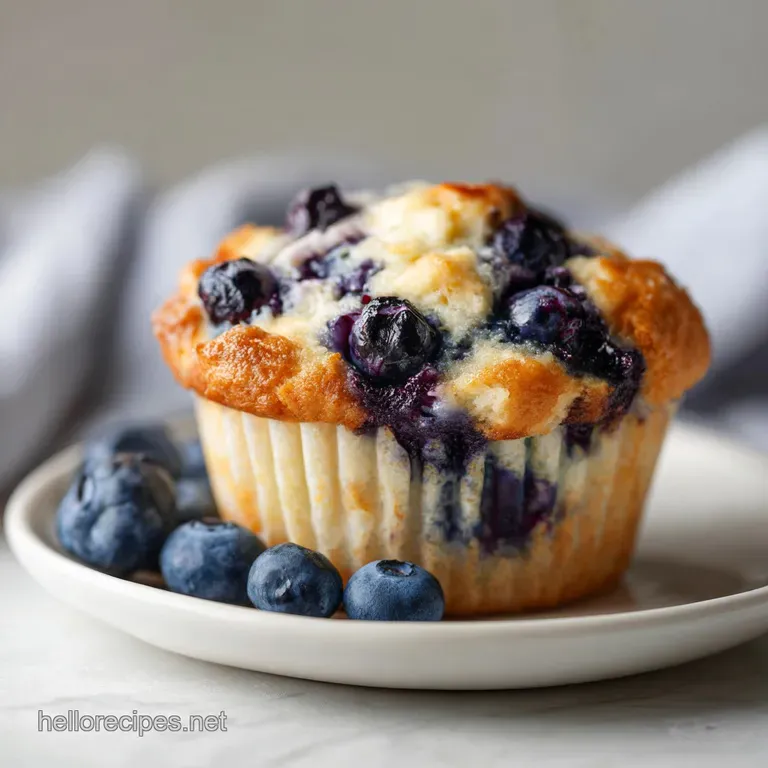
If you pull a muffin apart and see long, vertical holes or "tunnels," it is a classic sign of overmixing. When you stir the batter too much, the gluten becomes elastic and strong. As the air bubbles try to rise, they get trapped and stretched into these tunnel shapes.
The resulting muffin will be tough and chewy instead of light and fluffy. Next time, count your strokes with the spatula and stop way sooner than you think you should.
| Problem | Root Cause | Solution |
|---|---|---|
| Dry, crumbly texture | Too much flour or overbaking | Use a scale for flour and check doneness 2 mins early |
| Flat, sunken tops | Old baking powder or low heat | Replace leavening every 6 months and preheat to 425°F |
| Greasy bottoms | Oil settled or too much liners | Whisk the liquid emulsion better before adding to dry |
Common Mistakes Checklist
- ✓ Avoid using a whisk once the wet and dry ingredients meet (it develops too much gluten).
- ✓ Never let the batter sit on the counter; get it in the oven immediately once mixed.
- ✓ Don't peek! Opening the oven door in the first 10 minutes drops the temp and kills the rise.
- ✓ Ensure your egg and milk are at room temperature so the oil doesn't clump up.
- ✓ Pat yourself on the back for leaving the lumps in the batter they are your friends.
Smarter budget swaps and variations
Baking shouldn't break the bank, and this basic muffin recipe is designed to be flexible. If you don't have whole milk, you can use water with a splash of melted butter or even yogurt thinned with a bit of water. The goal is to maintain that 180ml of liquid. If you want to get fancy, you can check out my Marble Muffins for a way to swirl in some chocolate without needing a whole new set of ingredients.
| Original Ingredient | Substitute | Why It Works |
|---|---|---|
| Whole Milk (180ml) | Oat Milk or Soy Milk | Similar consistency; soy has high protein for structure. |
| Granulated Sugar (150g) | Light Brown Sugar | Adds moisture and a hint of caramel flavor. Note: Muffins will be darker. |
| Neutral Oil (80ml) | Applesauce (unsweetened) | Cuts fat significantly. Note: Texture will be more spongy/dense. |
If you are looking for a basic muffin recipe with add ins, the trick is to toss your extras (like chocolate chips or blueberries) in a tablespoon of flour before folding them in. This prevents them from sinking to the bottom of the cup.
Since the batter is so thick, it holds onto additions really well, but that extra flour coating is a safety net.
Adjusting the batch size easily
If you are cooking for one or two, you can easily cut this recipe in half. To deal with the "half an egg" problem, just crack the egg into a small bowl, whisk it well, and then measure out about 2 tablespoons of the liquid.
Reducing the bake time by about 3 to 5 minutes is usually necessary for smaller batches, as the oven doesn't have to work as hard to maintain the temperature with less cold batter inside.
Doubling the recipe is great for meal prepping, but be careful with the leavening. Instead of doubling the baking powder to 2 tablespoons, use 1.5 tablespoons. Too much leavening in a large batch can cause the muffins to rise too fast and then collapse.
Always work in batches if your oven has hot spots, rather than trying to cram 24 muffins onto one rack.
Muffin assumptions we need to drop
There is a huge myth that you need to cream butter and sugar together for a good muffin. That technique is for cakes where you want a fine, tight crumb. For muffins, we want a more rustic, open texture. Creaming introduces too much air in the wrong way for this specific bread like pastry.
Another big misconception is that "the more you mix, the smoother it gets." While true, smoothness is the enemy here. A smooth muffin batter is a dead muffin batter. You want to see streaks of flour and lumps of dry ingredients right until the very last fold.
The heat of the oven will take care of those flour pockets, trust the process.
Storage and reducing kitchen waste
These muffins stay fresh at room temperature for about 2 days if kept in an airtight container. If you find they are getting a bit soft on the top, put a piece of paper towel in the container to absorb the excess moisture. For long term storage, these freeze beautifully.
I wrap them individually in plastic wrap and then toss them into a freezer bag. They will last for 3 months, and you can just pop one in the microwave for 30 seconds when you are running out the door.
To reduce waste, don't throw away those little crumbs at the bottom of the tin or the ones that fall off when you eat. I save them in a jar in the freezer. Once I have enough, I toast them in a pan with a little cinnamon and use them as a "muffin streusel" topping for yogurt or oatmeal.
If you have muffins that have gone completely stale, you can slice them up and turn them into a very decadent French toast bake.
Tasty sides for your muffins
While these are great on their own, I love serving them alongside a savory protein to balance out the sugar. A Fluffy Homemade Omelet recipe is my go to weekend pairing. The silkiness of the eggs against the slight "shatter" of the muffin top is incredible. If you are in a rush, a simple smear of salted butter or even a quick almond butter spread adds enough fat to make it a complete meal.
For a budget friendly brunch, serve these with some seasonal fruit. If you have fruit that is slightly past its prime, simmer it on the stove with a teaspoon of sugar and a squeeze of lemon to make a quick compote.
Dipping a warm, velvety muffin into a fresh berry sauce is one of those simple kitchen wins that makes you feel like a professional chef without spending more than a few dollars.
Recipe FAQs
What are the ingredients in a basic muffin recipe?
You need 250g all-purpose flour, 150g granulated sugar, 1 tablespoon baking powder, and 0.5 teaspoon fine sea salt. The liquid components include 180ml whole milk, 80ml neutral oil, 1 large egg, and 1 teaspoon pure vanilla extract.
How to make an easy muffin?
Whisk your dry ingredients, mix the wet ingredients separately, and fold them together until just combined. Bake in a preheated 425°F oven for 20 minutes to achieve a perfect rise.
Are muffins ok for diabetics?
No, standard muffins are generally high in refined sugar and carbohydrates. They typically trigger blood glucose spikes due to the inclusion of granulated sugar and all-purpose flour.
What is the secret to a good muffin?
The secret is starting with a high initial heat of 425°F and avoiding overmixing the batter. If you mastered this technique of gentle folding, you can apply similar care to our moist banana muffins to ensure a light, tender crumb every time.
Is it true I can use any milk for this recipe?
No, this is a common misconception. This recipe specifically calls for whole milk to provide the necessary fat content and structure for the batter.
How to store muffins to keep them fresh?
Keep them in an airtight container at room temperature for up to two days. Place a paper towel inside the container to soak up excess moisture and prevent the tops from turning soft.
How to freeze muffins for later?
Wrap each muffin individually in plastic wrap before placing them into a freezer bag. They will remain high-quality for up to three months and can be reheated in the microwave for 30 seconds.
Basic Muffin Recipe
Ingredients:
Instructions:
Nutrition Facts:
| Calories | 194 calories |
|---|---|
| Protein | 3.2 g |
| Fat | 7.3 g |
| Carbs | 29.2 g |
| Fiber | 0.6 g |
| Sugar | 13.3 g |
| Sodium | 159 mg |
