Proper Hearty Pozole Rojo an Authentic Red Chile Hominy Stew for a Crowd
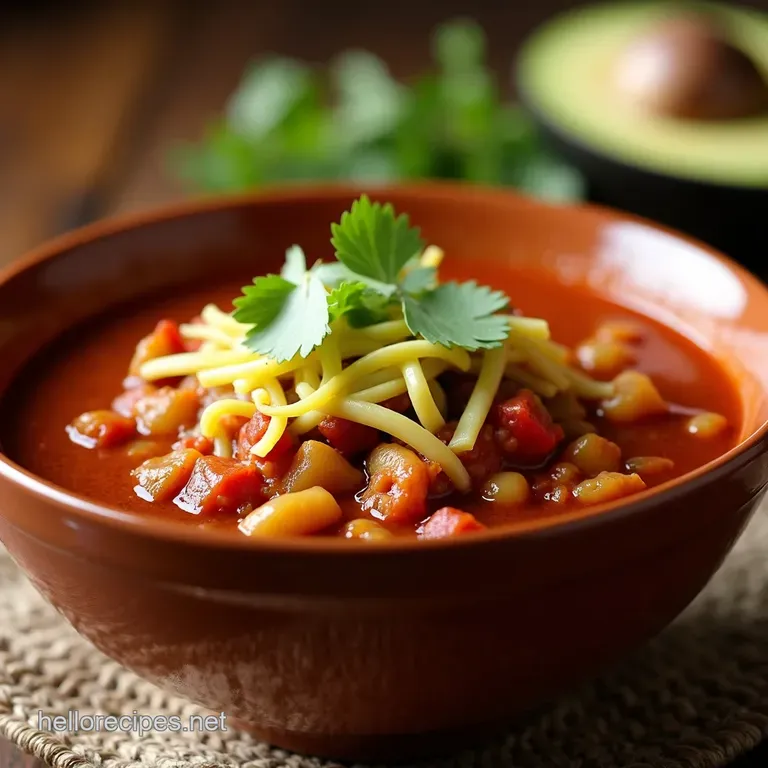
Unlocking the Soul of Jalisco: Why This Pozole Recipe Stands Apart
There are certain dishes in the culinary world that transcend mere sustenance; they are acts of love, tradition, and community gathered around a single, steaming bowl. Pozole is undeniably one of them.
When we talk about this iconic Mexican stew, we are tapping into centuries of history, a beautiful symphony of land and smoke that culminates in that unmistakable, hearty broth. This particular Pozole recipe focuses on the fiery depths of Pozole Rojo , the vibrant red version that speaks volumes of Jalisco's rich culinary heritage.
Forget quick fixes; this is a weekend project designed to reward your patience with unparalleled flavour depth.
More Than a Soup: It’s a Celebratory Mexican Tradition
To call Pozole merely a soup diminishes its importance. It is the centerpiece of celebrations birthdays, baptisms, and holidays like Mexican Independence Day.
It is designed to feed a crowd (our recipe yields 8 generous servings) and to be a communal experience where everyone customizes their bowl at the table. The preparation itself, involving dried chiles and slow cooked pork, signals that this is a special occasion meal, a Traditional Mexican Dinner worthy of time and attention.
De-Mystifying the Prep Time for Your Weekend Project
When looking at the time commitment, which lands around 4 to 5 total hours, it’s easy to feel intimidated. However, the vast majority of this time nearly three hours is hands off simmering.
With a modest 45 minutes of focused prep time, which involves trimming the meat and soaking the chiles, this becomes far more manageable than you might first assume. This Authentic Pozole Recipe Mexican style truly hinges on letting time do the heavy lifting.
Flavor Foundation: The Magic of Dried Chiles
The vibrant colour and complex earthiness of Pozole Rojo comes entirely from the adobo , the chile sauce base. We rely on a careful balance of dried chiles primarily Guajillo for its bright, fruity notes and Ancho for its deep, raisin like sweetness.
These chiles, once softened and puréed, form the soul of the broth, delivering warmth without overwhelming heat, which is crucial for showcasing the tender pork within the Pozole soup .
Assembling the Essential Components for Deep Flavor

Crafting an exceptional stew begins long before the heat is turned on. Knowing what ingredients are in posole —and ensuring they are high-quality sets the stage for success.
We need three main groups: the robust meat and broth builders, the flavour packed chile matrix, and the essential toppings that add textural contrast.
The Chile Matrix: Selecting and Prepping Guajillo and Ancho
For our adobo , we utilize 8 oz of dried Guajillo chiles and 3 oz of Ancho chiles. The preparation starts with a thorough cleaning: remove all stems and shake out the seeds. This careful removal ensures we get the deep colour and flavour without unnecessary bitterness.
After cleaning, they are briefly toasted on a dry skillet to wake up their essential oils, followed by a long soak in boiling water until they are wonderfully pliable, ready for blending.
Critical Kitchen Gear for Perfect Hominy Texture
While much of the cooking happens in a large stockpot, two pieces of equipment are indispensable for achieving that sought after texture. First, a high speed blender is necessary to break down the soaked chiles into a truly velvety purée.
Second, and perhaps most critically, you must have a fine mesh sieve or colador . This tool is used to strain the chile paste, removing any tough skin fragments that would otherwise result in a gritty final broth, ensuring your Pozole is perfectly smooth.
A Note on Calculating Portions for Guests
Since Pozole is traditionally a gathering dish, planning for a crowd is important. This Pozole recipe is portioned generously for 8 hungry people, utilizing 3 lbs of pork shoulder.
If you are doubling the recipe for a very large event, ensure you use a pot that can comfortably hold 5 to 6 quarts of liquid to allow for proper simmering without boiling over.
Related Recipes Worth Trying
- Authentic Pozole Rojo Recipe Hearty Mexican Hominy Stew — Make a truly traditional Pozole Rojo This authentic recipe delivers tender pork and plump hominy in a smoky red chile broth Perfect weekend dinner sorted
The Master Workflow: Building the Rich Pozole Broth step-by-step
This is where patience becomes the most important utensil in your kitchen. Building this dish correctly involves layering aromatics, slow cooking the meat until it surrenders, and then integrating the chile base at precisely the right moment.
Phase One: Toasting, Soaking, and Puréeing the Red Chile Base
Begin by preparing your pork shoulder, cutting it into 1.5 inch chunks. Season it liberally with salt. Though optional, lightly browning the meat in batches first adds a foundational roasted note to the final stew. Once browned, transfer the pork to your largest stockpot.
Add 12 cups of water (or stock), a quartered onion, 6 smashed garlic cloves, and 3 bay leaves. Bring this to a boil, then immediately reduce the heat to a very gentle simmer. While this begins its long cook, execute the chile preparation: toast, soak (for 30 minutes until soft), then blend the softened chiles with a cup of the simmering broth, a teaspoon of Mexican oregano, and half a teaspoon of cumin until silky smooth.
Achieving Tenderness: The Low-and-Slow Cook for the Meat
The meat needs time to break down and flavour the cooking liquid. Simmer the pork, partially covered, for a minimum of 2. 5 hours, aiming for closer to 3. The goal is to achieve meat so tender it shreds easily with just the pressure of two forks.
Skimming any impurities that rise to the surface during the first hour ensures a clean tasting broth.
Combining Elements: When to Introduce the Hominy
Once the pork is perfectly tender, remove the large pieces of onion and the bay leaves. Use those two forks to shred the meat directly back into the pot. Now is the time to introduce the hominy if using canned, ensure it is thoroughly drained and rinsed.
Pour in the entirety of your strained, velvety chile adobo . Stir everything gently to incorporate the rich red sauce.
The Final Harmony: Adjusting Seasoning Before Serving
After incorporating the chiles and hominy, the mixture must simmer again, uncovered this time, for at least 30 minutes. This final stage allows the dried chile flavours to marry completely with the pork and the starchiness of the hominy.
This is the most critical tasting phase: season generously with salt until the flavour profile pops; broth needs more seasoning than you think! For those seeking an extra kick, this is also the time to consider a simple Pozole Crockpot Recipe conversion for the last hour of simmering if you prefer to move things off the stovetop.
Elevating the Experience: Garnishes That Define Your Bowl
A bowl of Pozole is incomplete without its crowning glory the array of fresh garnishes served alongside. These provide necessary textural contrast to the soft meat and plump hominy, alongside bright, acidic notes to cut through the richness of the broth.
The Essential Toppings Bar: Cabbage, Radishes, Oregano, and Lime
Set out small bowls filled with finely shredded cabbage or crisp lettuce, thinly sliced radishes, finely diced white onion, and plenty of lime wedges. Each diner should be encouraged to customize their bowl; a shower of fresh oregano rubbed between the palms before sprinkling adds an aromatic lift.
The fresh squeeze of lime juice at the last second brightens the entire bowl, transforming it from heavy stew to vibrant feast.
Troubleshooting Common Consistency Issues
If, after the final simmer, your broth seems too thin, you can continue simmering uncovered until some liquid evaporates, concentrating the flavour. Alternatively, for a quicker fix, mash a few spoonfuls of the cooked hominy against the side of the pot and stir them back in; their starch will help thicken the liquid naturally.
Freezing Techniques for Long Term Flavor Preservation
This dish freezes beautifully, making it perfect for meal prepping. Allow the Pozole to cool completely, then portion it into freezer safe containers, leaving about an inch of headspace. It will keep its quality for up to three months.
When reheating, thaw overnight in the refrigerator, then simmer slowly on the stove, adding a splash of water or broth if the stew has thickened too much during storage.
Creative Twists: Exploring Verde or Blanco Variations Next Time
Once you have mastered the depth of this Rojo version, you have unlocked the door to other variations. Consider exploring Pozole verde , which swaps the dried red chiles for fresh tomatillos, cilantro, and green chiles for a bright, tangy flavour profile.
For an even lighter take, try Pozole Blanco , which omits the chiles entirely, letting the pure flavour of the pork and hominy shine through.

Recipe FAQs
What's the secret to getting that really rich red colour in my Pozole Rojo?
The colour comes entirely from the dried red chiles, typically Guajillo and Ancho, which you soak and blend into the adobo sauce. For the best result, make sure you blend them until they are completely smooth, and don't skip straining that puree through a fine mesh sieve that removes tough skins and leaves you with pure, velvety red pigment and flavour.
My pork isn't shredding easily. How long should I simmer the Pozole meat for?
Pork shoulder needs patience; it’s generally done when it’s fork tender, usually around 2.5 to 3 hours of gentle simmering. If it’s fighting back, keep the lid slightly ajar and let it bubble gently for another 30 minutes. Remember, slow and low is the way to go for meat that falls apart beautifully.
Can I make this Pozole ahead of time, or does it need to be eaten fresh?
Absolutely, Pozole is one of those dishes that tastes even better the next day! Once cooled, store it in an airtight container in the fridge for up to 4 days. When reheating, add a splash of water or stock to loosen the broth, as it tends to thicken up overnight.
What exactly is "hominy," and can I substitute it with something else if I can't find it?
Hominy is dried corn treated with an alkali process (nixtamalization), giving it a unique chewy texture that is essential to authentic Pozole. While you can technically use large white beans in a pinch, the dish won't be Pozole without it it’s worth seeking out canned or dried white hominy at your local supermarket or Mexican grocer.
Is there a way to make this Pozole recipe less rich or fatty?
If you want to trim down the fat, make sure you skim the fat off the top of the simmering broth periodically during the first hour of cooking. When the stew has cooled in the fridge overnight, the fat will solidify on top, making it incredibly easy to scoop off before reheating.
I'm worried about the spice level. How can I control the heat when making Pozole Rojo?
The primary heat in this recipe comes from the Ancho chiles, which are quite mild, so you're generally safe starting out. If you want more kick without altering the base flavour, add a few dried Arbol chiles to your soaking mix, or simply offer a hot salsa on the side so everyone can dial in their own preferred level of fire.
Authentic Pozole Rojo Stew

Instructions:
Nutrition Facts:
| Calories | 600kcal |
|---|---|
| Fat | 25g |
| Fiber | 7g |
