Mastering Authentic Pasta Linguine Alfredo
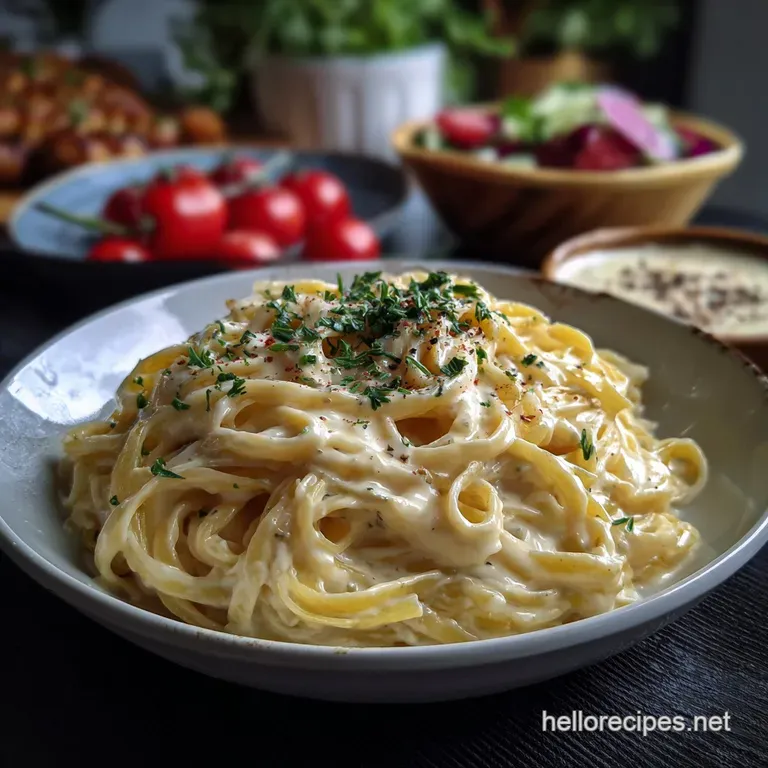
Mastering the Authentic Pasta Linguine Alfredo
Picture this: You come home, exhausted, smelling only the faint, stale air of the workday. But then, ten minutes later, you hear the butter start to sizzle, you smell the sharp, nutty fragrance of real Parmesan hitting the heat, and suddenly, you have a pile of perfect, velvety pasta linguine alfredo ready to coat your soul.
Forget those gluey, thick, cream laden versions you find in chain restaurants. That’s not Alfredo; that’s just cream sauce. The real deal, the Italian classic, is a lightning fast recipe relying on just four ingredients (butter, cheese, pasta, and pasta water) to create a luxurious emulsion.
It's simple, but it demands respect for the process. If you’ve ever ended up with a clumpy, greasy mess, I promise you, this authentic linguine pasta alfredo recipe fixes all that.
We’re cooking dinner or brunch, or a late night snack in under 30 minutes, starting now.
RECIPE STATS:
| Metric | Value | Metric | Value |
|---|---|---|---|
| Calories | 793 | Prep Time | 5 Mins |
| Protein | 25.1g | Cook Time | 10 Mins |
| Fat | 51.1g | Total Time | 30 Mins |
| Carbs | 58.4g | Yield | 4 servings |
The Science Behind the Creamy Sauce
Why This Works: The Emulsification Magic
Traditional pasta linguine alfredo is an emulsion, which means you are forcing fat (butter) and water (pasta water) to stay mixed together, rather than separating.
The two heroes here are:
- Starch: When you cook pasta, starch sloughs off into the water. This starchy water acts as a stabilizer, helping the fat droplets stay suspended in the liquid. This is non-negotiable for a creamy finish without heavy cream.
- Parmesan: When high-quality Parmigiano Reggiano melts, the proteins and fats create a protective barrier around the butter and water, locking the emulsion into place. If you use too much heat, those proteins seize up, the structure breaks, and you end up with greasy clumps.
We are essentially creating a starchy béchamel, but faster and richer. Getting this emulsion right is the difference between authentic, coating linguine pasta alfredo sauce and a greasy puddle.
Why Linguine is the Ideal Pasta Choice
While Fettuccine Alfredo is the global standard, linguine is a beautiful choice for this dish. It's slightly flatter than spaghetti, giving it just enough surface area to catch the thick, velvety sauce without feeling heavy.
Plus, who doesn't love a plate of beautifully coiled pasta linguini alfredo ?
Essential Ingredients and Smart Substitutions
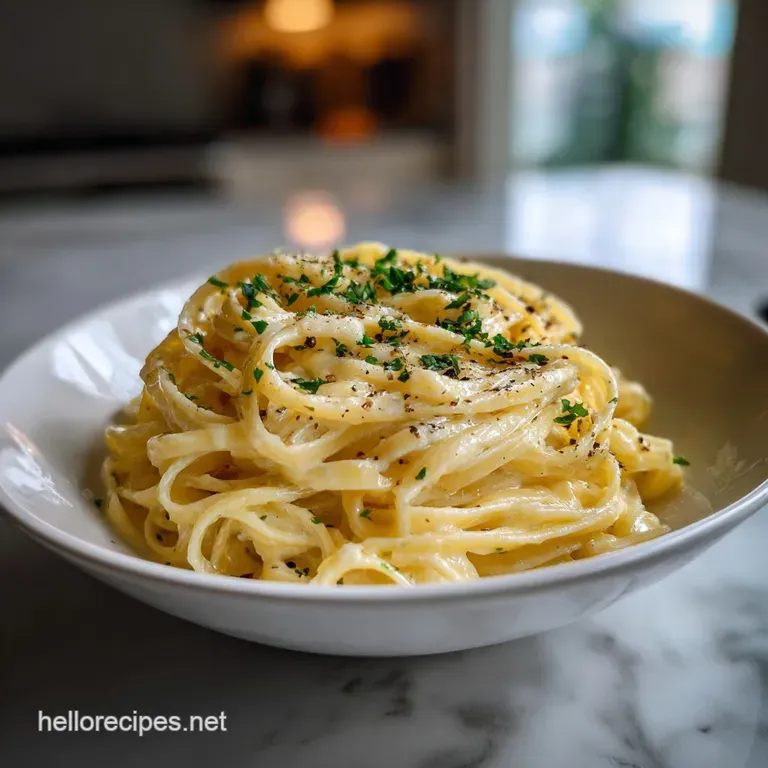
Listen, for real Alfredo, you need real ingredients. Don't cheap out on the Parmesan, or the sauce will never have that authentic texture or flavor.
| Original Ingredient | Best Substitute | Scientific Function & Honest Trade Off Disclosure |
|---|---|---|
| Linguine Pasta | Fettuccine or Tagliatelle | Wide, flat shapes catch the sauce best. Spaghetti works but coats less thoroughly. |
| Unsalted Butter | Ghee or high-quality Margarine | The fat component is crucial for flavor and mouthfeel. Ghee has a higher smoke point but lacks the subtle dairy notes of fresh butter. |
| Parmigiano Reggiano (Aged) | Grana Padano | Provides the essential sharp, nutty flavor and proteins for emulsification. Warning: Using pre-grated Parmesan or cheap substitutes often leads to a grainy, clumpy sauce due to anti caking agents. |
| Kosher Salt | Sea Salt | Controls the boiling point and enhances flavor. No significant functional difference. |
| Pasta Water | Chicken Broth (low sodium) | Provides liquid for the sauce. Note: Broth does not contain starch, so the resulting sauce will be thinner and rely entirely on the Parm for stability. |
step-by-step Guide: Making Linguine Alfredo in 15 Minutes
The key to perfecting this pasta linguine alfredo is simultaneous execution and temperature management. You should aim to have your sauce pan ready as the pasta finishes cooking.
Prep Time: 5 Minutes | Cook Time: 10 Minutes
Step 1: Cook the Linguine Al Dente (The Starch Reservoir)
- Bring a large pot of heavily salted water to a rolling boil. (It should taste like the ocean!)
- Add the linguine and cook according to package directions, subtracting 2 minutes. We need it to be firmly al dente .
- Crucial Step: Before draining, reserve at least 2 cups of the starchy, milky cooking water. This is your sauce base.
Step 2: Create the Emulsion Base
- In a very large sauté pan or skillet (one that can comfortably hold all the pasta), melt 4 Tbsp of butter over LOW heat . Don't let it brown! We are just softening it.
- Add 1/2 cup of reserved pasta water and whisk constantly. The butter and water should immediately begin blending, turning cloudy white. This is the start of your emulsion.
- If you want to add protein, now is the time! For a simple variation, incorporating some cooked Quick Chicken Broccoli Alfredo Easy Chicken Brocco: 20 Min Dinner is incredible.
Step 3: Tossing the Pasta Linguine Alfredo for Maximum Coat
- Drain the linguine and immediately transfer it to the skillet with the butter/water base.
- Remove the skillet COMPLETELY from the heat source. This is vital. If the heat is too high, the Parmesan melts poorly and separates.
- Add half of your freshly grated Parmigiano Reggiano, tossing vigorously with tongs. The cheese will melt into the liquid and cling to the starch on the linguine.
- Add the remaining cheese, along with another 1/4 cup of pasta water. Toss, toss, toss! Keep moving the pasta until the sauce becomes thick, glossy, and completely coats every strand. It should look thick, but still flowing like liquid velvet.
Step 4: Immediate Serving Temperature Checklist
Serve immediately! Alfredo waits for no one. Garnish with a crack of black pepper and maybe a tiny bit more Parmesan. This gorgeous plate of pasta linguine alfredo is best paired with something light and green, like my recipe for Meatless Pasta Recipes: Creamy Lemon Ricotta Asparagus (if you skip the ricotta and just do the lemon asparagus side!).
Expert Tips and Common Mistakes to Avoid
This is where people usually mess up their pasta linguine alfredo . Temperature control is everything.
| Common Mistake | Root Cause | Solution |
|---|---|---|
| The Sauce is Greasy/Oily | Too much heat when adding the cheese. The emulsion broke, and the butter separated from the liquid. | If caught immediately, whisk in a tablespoon of cold pasta water off the heat. The temperature drop can sometimes force the emulsion back together. |
| The Cheese Clumps/Sauce is Chalky | Using pre-grated cheese (contains cellulose/anti caking agents) or adding the cheese to water that is too hot. | Always grate your own cheese fresh. Never add cheese when the pan is directly over the burner; move it to a cool surface first. |
| The Sauce is Too Thin/Runny | Not enough starchy pasta water was used initially, or the pasta was overcooked, meaning the starch was dissipated. | Add more freshly grated Parmigiano Reggiano off the heat, tossing constantly until it thickens up. If needed, reheat very gently, just until steaming. |
Storage and Reheating Instructions
Look, pasta linguine alfredo is 100% best served fresh. The moment it cools, the emulsion starts to stiffen. But we live in the real world, so leftovers happen.
Safely Storing Leftover Pasta Linguine Alfredo
Transfer leftovers to an airtight container and refrigerate immediately. It will be safe for up to 3 days. When you open the container, the sauce will look solidified and greasy this is normal!
The Best Way to Reheat Alfredo Sauce (Adding Moisture Back)
Reheating correctly is the only way to save your leftovers.
- Place the leftover linguine alfredo in a small skillet.
- Add a tablespoon or two of milk or reserved pasta water (if you still have it) per serving.
- Reheat very gently over low heat, stirring constantly with a rubber spatula. Do not rush it. The goal is to melt the solidified butter and re-incorporate it slowly.
- Once heated through, stir in a tiny pinch of fresh Parmesan to tighten the sauce back up.
Can You Freeze Traditional Alfredo?
Technically, yes, but please don't. Traditional, cream free Alfredo sauce relies entirely on a delicate fat-water emulsion. When frozen and thawed, the water separates violently from the butter, leaving you with grainy, broken, unappetizing sauce.
Enjoy this gorgeous pasta linguine alfredo fresh, and save the freezer space for something heartier, like a meaty ragu.
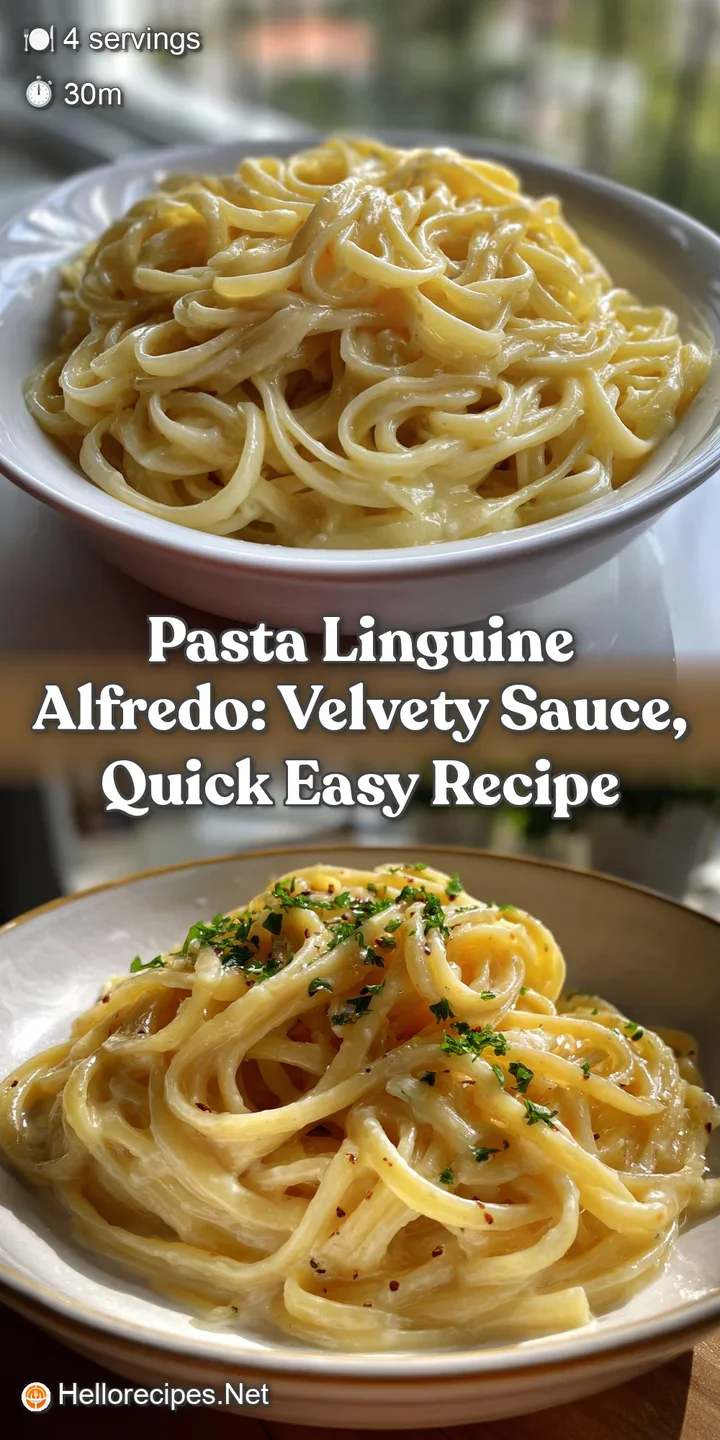
Recipe FAQs
What is the difference between authentic Fettuccine Alfredo and this Linguine Alfredo?
The primary difference is the pasta shape used; authentic Roman Alfredo traditionally uses fettuccine, while this version swaps it for linguine. The core method, however, remains the same: emulsifying only butter and high-quality Parmesan cheese with starchy pasta water.
Why is my sauce grainy or separating instead of smooth and creamy?
Graininess usually occurs when the cheese is added over direct, high heat, causing the proteins to seize. Always remove the pan from the heat before incorporating the grated Parmesan, stirring vigorously to create a stable emulsion with the starchy cooking water.
Can I use heavy cream instead of relying only on butter and pasta water?
While heavy cream will create a thick sauce, it deviates significantly from the authentic, light Alfredo preparation. If you must use cream, add a very small amount near the end and ensure it is simmering gently, not boiling rapidly, before adding the cheese.
What is the best type of Parmesan cheese to use for this recipe?
Always choose authentic Parmigiano Reggiano that you grate yourself immediately before use. Pre-shredded or pre-grated cheeses contain anti caking agents that prevent them from melting smoothly, resulting in a poor emulsion.
How much reserved pasta water should I keep on hand?
You should reserve at least 1 to 1.5 cups of the starchy, salty cooking water before draining the linguine. This water is essential as the starch acts as the primary binding agent that creates the sauce's velvety texture.
Can Pasta Linguine Alfredo be successfully reheated later?
It reheats best when a splash of fresh milk or reserved pasta water is added to the pan over low heat during reheating. The sauce tends to tighten significantly upon cooling, so adding liquid helps re-establish the proper creamy consistency.
Should I add garlic or black pepper during the initial butter stage?
Classic Alfredo relies purely on butter, cheese, and pasta, so garlic is non-traditional and should be omitted for authenticity. Freshly cracked black pepper should be added as a final seasoning garnish after the sauce is complete, not cooked into the butter base.
Authentic Pasta Linguine Alfredo
Ingredients:
Instructions:
Nutrition Facts:
| Calories | 782 calories |
|---|---|
| Protein | 25.7 g |
| Fat | 46.7 g |
| Carbs | 64.4 g |
