Flammkuchen Perfection the Authentic Razorthin Alsatian Fire Tart
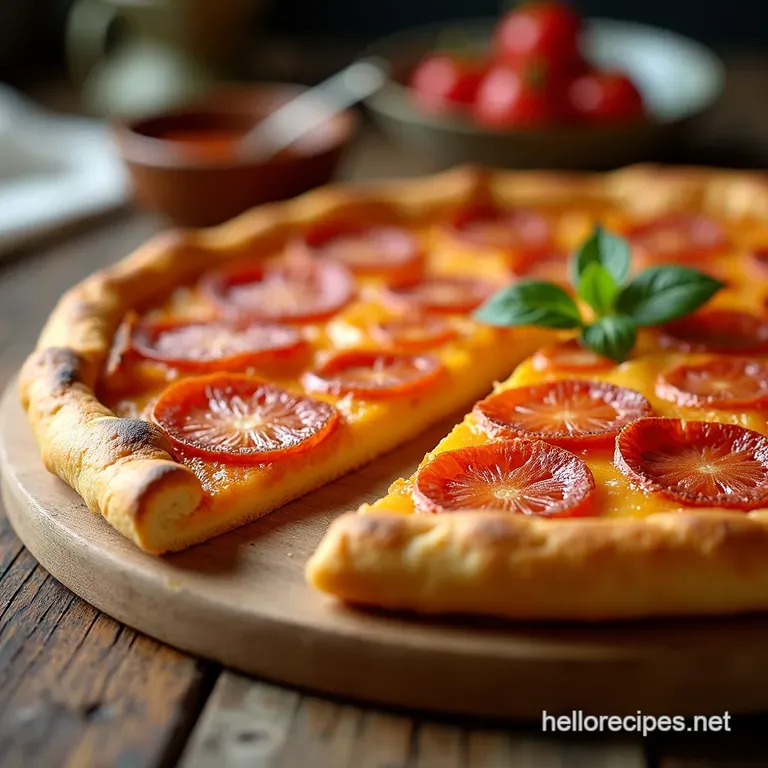
- Unveiling the Secret to Alsatian Flammkuchen: Borderland Baking at Its Finest
- Why This Rustic Flatbread Outshines the Average Pizza
- Gathering the Elements for Flammkuchen Glory
- Sourcing the Essential Creamy Base and Toppings
- Mastering the Art of the Wafer-Thin Dough Construction
- Assembling and Firing Your Alsatian Flammkuchen
- Elevating Your Flammkuchen Experience: Variations and Serving Tips
- Recipe FAQs
- 📝 Recipe Card
Unveiling the Secret to Alsatian Flammkuchen: Borderland Baking at Its Finest
Welcome to the culinary crossroads where France gently kisses Germany the beautiful region of Alsace. If you think you know flatbreads, prepare to have your expectations delightfully reset by Alsatian Flammkuchen .
Often called Tarte Flambée , this rustic creation is more than just a meal; it’s a piece of regional history baked directly onto a searing hot surface.
Forget heavy doughs and mountains of toppings; the brilliance of this dish lies in its stark simplicity and its unbelievably thin, blistered crust. We are diving deep today to uncover the techniques required to bring this smoky, tangy masterpiece right into your kitchen, transforming simple ingredients into an unforgettable European cuisine recipe.
Why This Rustic Flatbread Outshines the Average Pizza
What sets this delicate creation apart from its more famous Italian cousin? It comes down to texture and restraint. While pizza relies on a bread like base that puffs up significantly, the true Flammkuchen alsatian style demands a crust so thin it crackles when you bite into it.
The toppings are sparse, allowing the rich tang of the cream base and the smoky depth of the cured meat to shine through, rather than being buried under heavy sauce or cheese. It’s designed for high heat, quick cooking, resulting in a crispy flatbread recipe masterpiece that travels beautifully across appetizer spreads and party food platters .
Defining the Delight: What Makes Tarte Flambée Unique?
The name itself offers a clue: Flammekueche translates roughly to "flame cake." Historically, bakers would gauge the temperature of their wood fired ovens by sliding a thin piece of dough inside. If it cooked quickly and crisped up perfectly, the oven was ready for loaves of bread.
This tradition cemented the need for extreme thinness and blistering. The characteristic topping profile is an incredibly light layer of crème fraîche or fromage blanc (a fresh, soft cheese), scattered with finely sliced onions and small pieces of unsmoked bacon, known as lardons or speck.
This precise combination is what defines authentic Alsatian tarte flammken .
The Importance of Tradition in Achieving Perfect Crispness
To achieve that iconic structure a base that is simultaneously chewy at the very edge but shatteringly thin across the middle you must respect the heat. Traditional ovens operated at 800° F ( 425° C) or higher.
Since most home ovens top out around 550° F ( 290° C), we must compensate by maximizing that heat. Investing in a good pizza stone or a baking steel and preheating it for a significant duration ( 45 minutes minimum) is absolutely non-negotiable for this Alsace flammkuchen recipe .
Setting the Stage: Tools Required for Authentic Results
While you can technically use a regular baking sheet, you will sacrifice significant crispness. For the best results when making this thin crust tart recipe , you need a thermal mass beneath the dough.
A pizza stone or steel absorbs and radiates intense, even heat directly into the base, mimicking the hearth. Plus,, a pizza peel (or the back of a wide, rimless baking sheet) is essential for smoothly launching your delicate, topped dough onto that hot surface quickly before it has a chance to stick or lose its shape.
Gathering the Elements for Flammkuchen Glory
This is where we transition from theory to practice. The beauty of Alsatian Flammkuchen is that the ingredient list is short, meaning the quality of each component truly matters.
For a standard batch that yields two generously sized tarts, you’ll need 1 ½ cups (about 180g) of bread flour, a mere ¼ teaspoon of instant dry yeast (optional, but it adds a slight lift), ½ teaspoon of sea salt, and 1 tablespoon of oil, combined with about ½ cup of warm water to form the dough.
Related Recipes Worth Trying
- The Crisp and Smoky Flammkuchen Recipe Authentic Tarte Flambée — Master the authentic Flammkuchen recipe This Alsatian flatbread is crackercrisp topped with crème fraîche and smoky bacon in under 40 minutes An easy cozy...
Sourcing the Essential Creamy Base and Toppings
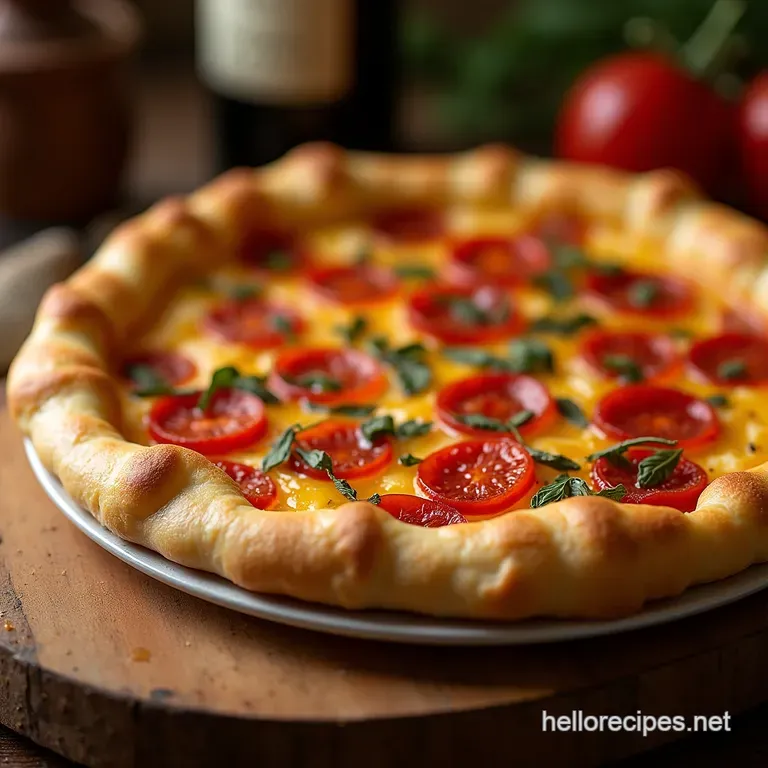
The filling must be handled with care. Remember, this is not about volume; it’s about flavour layering.
Precision Measures for the Infamously Thin Dough
When mixing your dough, aim for smoothness over vigorous kneading. Since we are seeking a cracker like crispness rather than a chewy bread, a three minute mix after combining the wet and dry ingredients is sufficient. We are not building a complex gluten network here.
After a brief initial mix, cover the dough and allow it to rest for about 30 minutes. This short relaxation period is crucial; it allows the gluten to relax just enough so you can stretch it later without frustrating tearing.
The Classic Crème Fraîche and Onion Blend
The creamy heart of the Flammkuchen alsatian style must be tangy. Source full fat crème fraîche do not substitute with standard sour cream, as it contains too much water and will compromise the final texture. You will need about 1 cup (240g) for two tarts.
Season this lightly with just a pinch of salt and pepper. The onions must be yellow or white, sliced paper thin a mandolin is your best friend here as thick slices will release too much moisture and steam the base during the rapid bake.
Procuring Speck and Lardons: The Authentic Meat Component
The smoky element comes from cured pork belly, known traditionally as lardons or speck (a smoked version of prosciutto, common in the region). You’ll need about 4 ounces (115g) diced small.
While traditional recipes call for raw lardons, giving them a very brief, minute long sauté in a dry pan beforehand helps render just a touch of fat, preventing them from bleeding moisture onto the cream layer during the quick bake.
Mastering the Art of the Wafer Thin Dough Construction
This stage is where patience pays dividends. Once your dough has rested, divide it into two equal portions. Flour your work surface lightly. You can use a rolling pin, but truly skilled cooks prefer the hands-on method.
Start by patting the dough down, then use the backs of your knuckles to gently stretch the disc outwards, rotating frequently. The goal is to work the dough until it is almost translucent you should be able to faintly see the colour of your countertop through it.
This fragility is the signature of a successful crispy flatbread recipe .
Assembling and Firing Your Alsatian Flammkuchen
Speed and high heat are the keys to sealing the deal on this party food platters favourite.
Mixing and Resting: Developing Dough Elasticity
As mentioned, the initial 30-minute rest softens the dough, making the subsequent stretching much easier. For an even deeper flavour profile, you can retard the dough in the refrigerator for up to 24 hours; just remember to let it come back to room temperature for an hour before attempting to stretch it out.
Stretching Secrets: Achieving Near Transparency Before Baking
When stretching, work quickly. If the dough starts to resist and snap back, cover it with a clean tea towel and let it rest for five minutes before continuing. Remember, we are aiming for an oval or rough rectangle shape, about 1/8th of an inch thick across the whole surface.
The thinner the base, the better the final crunch of this finger foods for parties staple.
Layering Strategy: Spreading Toppings Without Sogging the Base
Prepare your baking peel by dusting it heavily with fine cornmeal or semolina this acts like tiny ball bearings, ensuring a smooth slide onto the hot stone. Transfer your stretched dough onto the peel. Now, work fast. Spread the chilled crème fraîche mixture very thinly, leaving a small, bare border.
Scatter your sliced onions and diced lardons evenly. Remember the golden rule: less is more when topping Flammkuchen.
High Heat Execution: Baking Times for Ultimate Crispness
Slide your tart onto the screaming hot pizza stone. Set your oven to its absolute maximum temperature, typically between 500° F and 550° F ( 260° C to 290° C).
Bake for a mere 8 to 12 minutes. Watch closely; the edges will begin to bubble and blacken slightly, and the cream will turn golden in spots. This rapid bake sets the dough instantly, locking in the moisture and ensuring the base remains crisp.
Elevating Your Flammkuchen Experience: Variations and Serving Tips
While the classic version is supreme, the versatility of this thin crust tart recipe allows for wonderful deviations. Many folks enjoy a sweet version, often called Tarte Flambée Sucrée , which replaces the savoury toppings with thinly sliced apples, honey, and cinnamon a perfect dessert finish to a meal featuring European cuisine recipes .
Inventive Topping Combinations Beyond the Traditional
If you want to experiment while maintaining that airy base, try adding thinly sliced, earthy mushrooms sautéed briefly with garlic, or perhaps substituting the lardons with finely diced smoked ham and a light dusting of Gruyère cheese (though this moves it slightly away from true tradition).
For a vegetarian take, smoked paprika dusted tofu cubes work surprisingly well in place of speck.
Pairing Suggestions: Wines and Beers from the Alsace Region
To truly honour the dish, you must pair it with its regional counterparts. A crisp, dry Alsatian Riesling or a Sylvaner cuts beautifully through the richness of the crème fraîche and the smokiness of the pork.
If beer is preferred, a light, cold lager balances the fat without overpowering the subtle flavour profile.
Storage Insights: Can Tarte Flambée Be Prepared Ahead?
Unfortunately, no. The defining characteristic of a perfect Alsatian Flammkuchen is its texture that delicate, blistered crispness achieved by immediate baking. Once cooled, the steam trapped between the thin crust and the cream will rapidly turn the base soft and chewy.
This is a dish meant to be assembled and devoured piping hot, straight from the oven.
Troubleshooting Common Issues for Future Flammkuchen Attempts
The biggest hurdle is the crust tearing during the stretching phase. This usually means the dough wasn’t rested long enough, or you are applying too much focused pressure in one spot.
If your crust is coming out bready instead of crisp, your oven temperature was likely too low, or you overloaded the toppings, which created steam rather than true blistering heat.
If you follow the high heat and thin layer rules for your Alsace flammkuchen recipe , these issues become rare exceptions rather than the rule!
Recipe FAQs
My Alsatian Flammkuchen crust isn't crisping up; it just ends up soggy in the middle. What gives?
Ah, the bane of the Flammkuchen baker! This is nearly always down to oven temperature or overloading the tart. You absolutely need a ferocious heat aim for 500°F (260°C) or higher, and make sure your pizza stone or steel is preheated for a good 45 minutes.
Also, remember this isn't pizza; keep the toppings incredibly sparse so the moisture doesn't steam the wafer thin dough.
What's the best substitute if I can't get hold of proper Crème Fraîche for the topping?
If you're stuck down the local supermarket and Crème Fraîche is AWOL, your best bet is full fat Greek yogurt that has been well strained overnight, or perhaps Mascarpone thinned slightly with a drop of lemon juice.
The key is retaining that rich, tangy mouthfeel without adding excess water, which would ruin the crispness of the Flammkuchen.
Can I prepare the dough ahead of time, or does Alsatian Flammkuchen dough need to be used straight away?
You'll be pleased to know you can absolutely prepare the dough ahead of time it often improves the flavour! After kneading, wrap it tightly and chill it in the fridge for up to 24 hours.
Just remember to let it sit on the counter for about an hour before stretching so it relaxes, otherwise, it will fight you every step of the way!
I’m serving this as a vegetarian meal. What can I use instead of the traditional lardons on my Flammkuchen?
Going meat free is no problem at all! For a smoky flavour, try tossing smoked tofu cubes or finely diced smoked mushrooms in a little smoked paprika before scattering them over the cream.
Alternatively, a sprinkle of sautéed wild mushrooms mixed with finely chopped chives works a treat and keeps that rustic flavour profile intact.
How should I serve Flammkuchen? Should it be cut like a pizza, or is there a more traditional way to present it?
Think of it as sophisticated sharing food; it's meant to be eaten immediately while piping hot! Traditionally, it’s often cut into rustic squares or long strips, perfect for picking up by hand it’s an ideal pairing for a casual evening with a chilled glass of Sylvaner or Riesling.
Don't forget a simple green salad on the side to cut through the richness!
Authentic Alsatian Flammkuchen

Instructions:
Nutrition Facts:
| Calories | 600kcal |
|---|---|
| Fat | 35g |
| Fiber | 3g |
