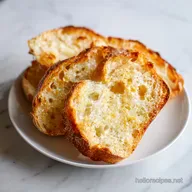
Crusty Italian Parmesan Bread: Dutch Oven Artisan Loaf
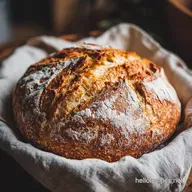
Baked in a Dutch oven, this loaf features a thick crust and a savory Italian herb and cheese profile. It is a great choice for dipping into olive oil.
Dutch oven method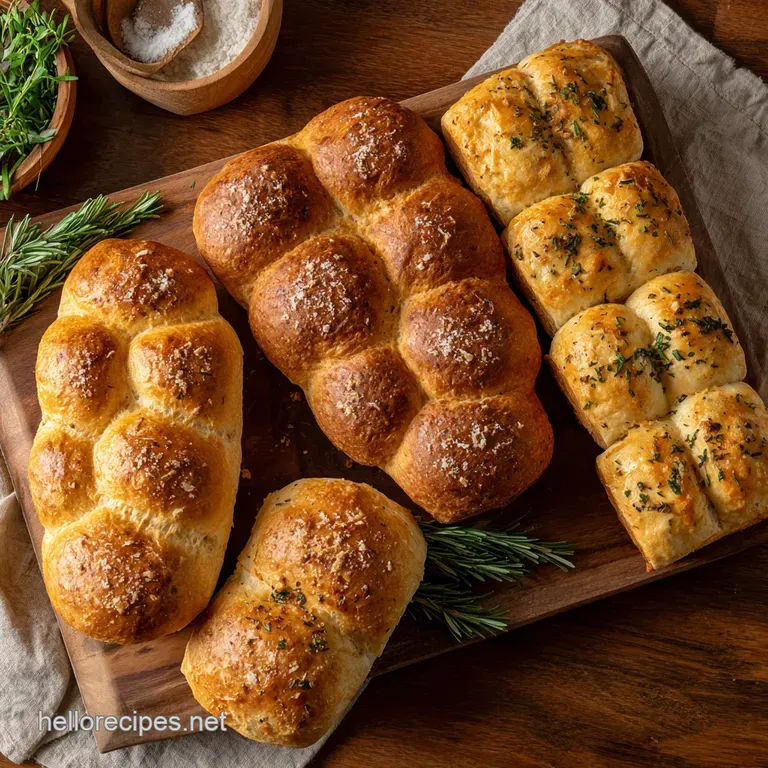
Artisan bread doesn't have to mean days of fermentation or complex folding techniques. Modern methods allow home bakers to achieve that professional, crusty finish or a soft, pillowy crumb in significantly less time than traditional sourdough.
These recipes focus on straightforward techniques that yield high-quality results for any skill level.
From yeast-free quick breads to no-knead Dutch oven loaves, the variety of textures available ensures there is a match for every meal. Whether you need a 30-minute roll for a weeknight pasta or a crisp-crusted loaf for a weekend gathering, these options provide reliable paths to fresh, homemade bread.
The hallmark of artisan baking is a thick, crisp crust paired with a tender interior. Achieving this often involves using a Dutch oven, which traps steam to help the loaf rise fully before the exterior sets. This method creates the signature shatter-crisp texture found in professional bakeries.
You can experiment with different flavor profiles by adding hard cheeses or herbs directly into the dough. These loaves are sturdy enough for sandwiches but also serve as an excellent base for bruschetta or simply dipping into seasoned olive oil.
Baked in a Dutch oven, this loaf features a thick crust and a savory Italian herb and cheese profile. It is a great choice for dipping into olive oil.
Dutch oven methodUsing just four simple ingredients, this no-knead recipe produces a professional-style loaf with a shatter-crisp crust. It is a straightforward entry point for beginners exploring the world of artisan baking.
shatter-crisp crustWhen a meal calls for something more delicate than a crusty loaf, these soft garlic parmesan rolls are a practical choice. Most of these recipes utilize a quick-rise yeast method or specific proofing temperatures to cut the total time down to an hour or less.
Keeping the dough hydrated and using a light touch when shaping helps maintain the airy texture. Brushing the tops with butter immediately after they come out of the oven ensures the crust stays soft and absorbs any herb or garlic toppings you choose to add.
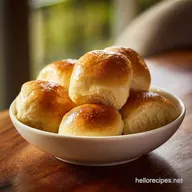
These buttery garlic parmesan rolls are ready in just half an hour. They use fresh herbs and a quick-rise method to provide soft, flavorful side bread for any pasta dinner.
30-minute prepFor those who need fluffy homemade dinner rolls in a hurry, this sixty-minute recipe is ideal. It yields a light texture that pairs well with hearty soups or holiday roasts.
one hour timeframeBroadening your baking repertoire includes looking at specialized formats like breadsticks or yeast-free loaves. Quick breads, such as soda bread, rely on the reaction between buttermilk and baking soda rather than yeast for leavening, making them ready for the oven in minutes.
Breadsticks require a bit more time for shaping and proofing to get that classic restaurant-style fluffiness. Both types of bread offer distinct textures and flavors that complement different cuisines, from hearty Irish stews to classic Italian pasta dishes.
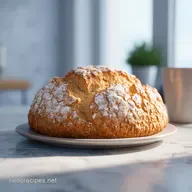
This yeast-free bread relies on buttermilk for a soft, airy crumb and a slight tang. It is a reliable option for bakers who want a traditional loaf without long proofs.
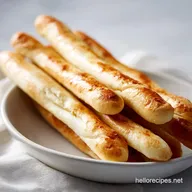
yeast-free buttermilk methodRecreate the restaurant experience with these pillowy breadsticks. They are finished with a signature garlic butter topping and are excellent for serving alongside classic Italian-inspired meals at home.
copycat restaurant style| # | Recipes | Best For | Time | Difficulty |
|---|---|---|---|---|
| 1 | Crusty Italian Parmesan Bread | Dipping in olive oil | 90 mins | Intermediate |
| 2 | Crusty Artisan Bread | Beginner bakers | 60 mins | Easy |
| 3 | 30 Minute Garlic Parmesan Dinner Rolls | Quick weeknight sides | 30 mins | Easy |
| 4 | One Hour Dinner Rolls | Holiday gatherings | 60 mins | Easy |
| 5 | Irish Soda Bread with Buttermilk | Yeast-free baking | 45 mins | Easy |
| 6 | Copycat Olive Garden Breadsticks | Restaurant fans | 122 mins | Intermediate |
Discover more curated recipe collections
Explore more recipe collections →